How the history of jazz music evolved
The history of jazz music traces a genre that originated in African-American communities in New Orleans, Louisiana, in the late 19th and early 20th centuries, and has been recognized as a major form of musical expression in traditional and popular music since the 1920s Jazz Age.
3 articles, 1 book
The reading path
- Readthe history of jazz music · Wikipedia · 60+ min read
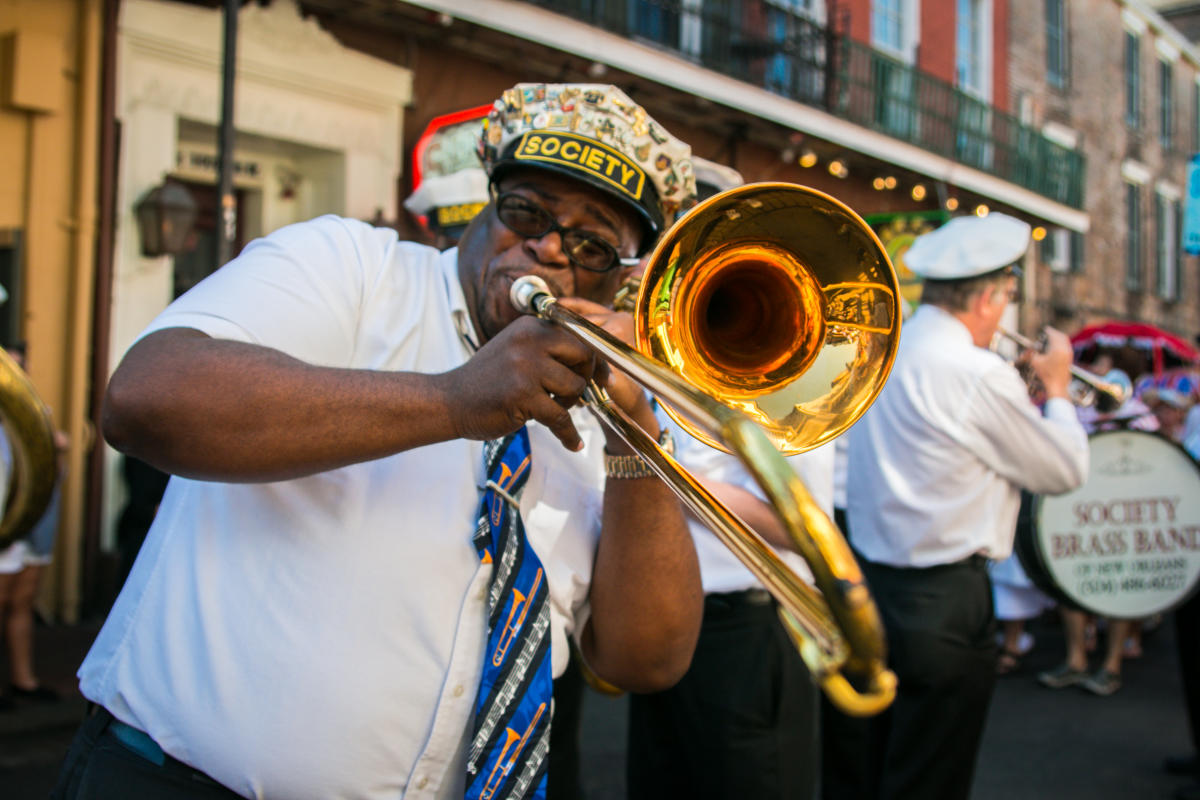
In the history of jazz music, Storyville brought jazz to a wider audience through tourists who visited the port city of New Orleans. Many jazz musicians from African-American communities were hired to perform in bars and brothels. Benny Goodman hired pianist Teddy Wilson, vibraphonist Lionel Hampton and guitarist Charlie Christian to join small groups in the mid-1930s. Over time, social strictures regarding racial segregation began to relax in America: white bandleaders began to recruit black musicians and black bandleaders white ones. In the early 1940s, bebop-style performers began to shift jazz from danceable popular music toward a more challenging "musician's music." By divorcing itself from dance music, bebop established itself more as an art form, lessening its potential popular and commercial appeal.
- Read"Birthplace of Jazz" · neworleansonline.com
Buddy Bolden started his first band in 1895, a year some say jazz was born. Jazz was created over time, not on a particular day.
- Read"Where Did 'Jazz,' the Word, Come From? Follow a Trail of Clues, in Deep Dive with Lewis Porter" · wbgo.org · 11 min read
The earliest known printed use of "jazz," discovered by researcher George A. Thompson, appears in California baseball writing on April 2, 1912, where "jazz" means "lively, energetic." The word seems to have originated among white Americans.
- BookJazz: A History · Bookshop.org
Jazz: A History covers the 1920s, jazz's wild age in New York, when old values began to break down.

Book links are Bookshop.org affiliate links. Curiate may earn a commission on purchases, at no extra cost to you — Bookshop.org also gives a share to independent bookshops.
Reading paths, built to arrive somewhere
Curiate turns what you are curious about into a short path — a quick lesson on an article, something to watch, and a book to go deep on. Free to browse.