How world music traditions shape cultural identity
World music is an English phrase for styles of music from primarily non-English-speaking countries, including traditional, quasi-traditional, and intercultural music, and became a marketing category for non-Western traditional music. The lessons answer how music connects to place and cultural identity, and help readers understand the cultural ties and changes that shape musical traditions. They consider how music travels, blends, and sustains community bonds.
2 articles, 1 video, 1 book · about 35 min of reading and viewing
The reading path
- Readworld music traditions · Wikipedia · 24 min read
World music traditions saw the rise of "crossover" music over the 20th century, as sound recording, low-cost international air travel, and common access to global communication connected artists and the general public. Communication technology also allows greater access to obscure forms of music, while commercialization risks increasing musical homogeneity, blurring regional identities, and gradually extinguishing traditional local music-making practices. In world music traditions, worldbeat and ethnic fusion can blend specific indigenous sounds with more blatant elements of Western pop. Examples include Paul Simon's album Graceland, on which South African mbaqanga music is heard, and Peter Gabriel's work with Pakistani Sufi singer Nusrat Fateh Ali Khan. World music traditions in Paris include music brought by musicians from former colonies in West and North Africa. Concerts and institutions help promote the scene, where Algerian and Moroccan music have an important presence.
- Read"Traditional Music in Community Life: Aspects of Performance, Recordings, and Preservation" · culturalsurvival.org · 7 min read
Members of communities around the world use music to create cultural identity and unity, and to erase others' cultural identity and dissolve unity. The repetitive, structured, often danced-with sounds of music are found in almost every society. Music does not require "understanding", unlike language: people may be moved by music of peoples whose language means nothing to them.
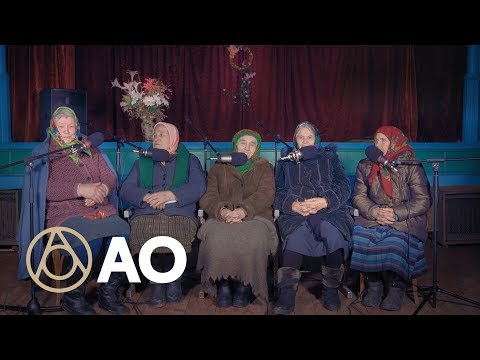
- WatchThese Grandmothers Are Recording Ukraine's Folk Music Traditions | Atlas Obscura · YouTube · 4 min watch
Miklós Both, founder of the Polyphony Project, is on a mission to collect folk music in Ukraine. The project has visited over 100 different villages and recorded 2000 songs sung by the women in each village, compiling them into a digital archive to preserve each Ukrainian village's long-standing musical folklore tradition.
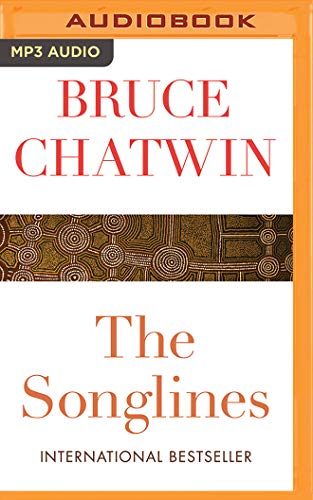
- BookSonglines · Bookshop.org
Songlines by Bruce Chatwin develops a thesis about the primordial nature of Aboriginal song, arguing that language started as song and the Dreamtime sings the land into existence.
Book links are Bookshop.org affiliate links. Curiate may earn a commission on purchases, at no extra cost to you — Bookshop.org also gives a share to independent bookshops.
Reading paths, built to arrive somewhere
Curiate turns what you are curious about into a short path — a quick lesson on an article, something to watch, and a book to go deep on. Free to browse.