How music notation systems shape music
Music notation systems are ways of visually representing music, developed by different cultures across history. What can these systems help us understand about how music is made, and what aspects of performance they make clear or leave obscure? The lessons consider how different approaches to notation shape the music people create.
2 articles, 1 video, 1 book · about 1 hr 7 min of reading and viewing
The reading path
- Readmusic notation systems · Wikipedia · 37 min read
Ancient Greek notation for sung music used letter symbols for pitches above text syllables. Its rhythm was indicated only rudimentarily, with long and short symbols. A lead sheet in music notation systems specifies a popular song's melody, lyrics and harmony on one staff, with chord symbols above and lyrics below. It captures the song's essential elements without specifying how it should be arranged or performed. Tablature, a music notation system, was first used in the Middle Ages for organ music and later in the Renaissance for lute music. In most lute tablatures, staff lines represent the instrument's strings rather than pitch values.
- ReadThe History of Western Music Notation: Exquisite Evolution · LearningMole · 13 min read
Western music notation ranges from primitive scratches above medieval chant texts to systems that allow modern orchestras to perform complex symphonies. Notation is never neutral: it privileges some aspects of performance while obscuring others, making some types of music easy to write down and others nearly impossible.
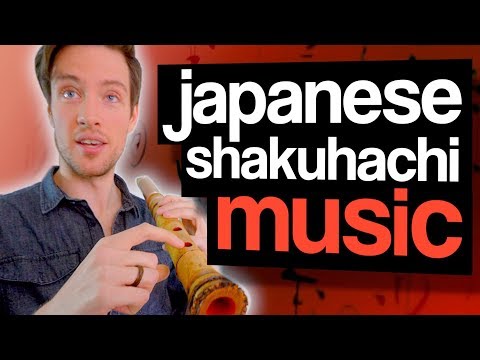
- WatchJapanese Music Notation (shakuhachi music) · YouTube · 17 min watch
Japanese notation for the shakuhachi shows that a notation system reflects the music it expresses. Notation can differ across cultures and musical traditions.
- BookHow Music Works · Bookshop.org
How Music Works by David Byrne describes how music is shaped by time and how recording technologies transform the listening experience, offering context for thinking about how music is represented.


Book links are Bookshop.org affiliate links. Curiate may earn a commission on purchases, at no extra cost to you — Bookshop.org also gives a share to independent bookshops.
Reading paths, built to arrive somewhere
Curiate turns what you are curious about into a short path — a quick lesson on an article, something to watch, and a book to go deep on. Free to browse.