How the evolution of popular music reaches mass audiences
Popular music is music with wide appeal, usually distributed to large audiences through the music industry, and the term first applied to music of the 1880s Tin Pan Alley period in the United States. The lessons answer how music reaches mass audiences and help readers understand the forces shaping its reach. They trace the changing relationship between music, media, and audiences.
2 articles, 1 video, 1 book · about 50 min of reading and viewing
The reading path
- Readthe evolution of popular music · Wikipedia · 24 min read
Dangdut is a genre of popular music found in Indonesia, formed from the fusion of Indo pop and underground music. The average song length in 2018 was 3 minutes and 30 seconds, 20 seconds shorter than the average in 2014. Songs have shortened again, partially due to the ubiquity of streaming, and the most probable cause is that artists are paid per individual stream, so longer songs could mean fewer streams. New media technology has led urban music styles to filter into distant rural areas across the globe, and rural areas, in turn, are able to give feedback to urban centers about the new styles of music.
- ReadRhythm and Blues · folklife-media.si.edu · 23 min read
Commercial recordings by and for African Americans can be dated to Mamie Smith's "Crazy Blues" in 1920, an unprecedented commercial success that reached audiences through the recording market. Some "race records" included blues, big band, and gospel, genres that would become foundations for R&B.
- WatchWhere is the music industry headed? | Big Think · YouTube · 3 min watch
John Hardin's video traces how music moved from radio to singles, LPs, and mp3s through bundling and un-bundling. It says this process has brought greater choice and personalization across many industries, and asks how education, still delivered in a one-size-fits-all bundle, could change.
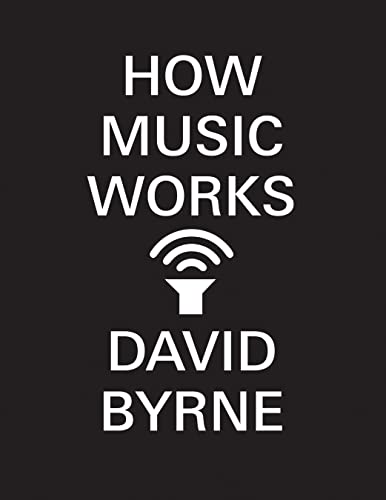
- BookHow Music Works · Bookshop.org
How Music Works by David Byrne describes how recording technologies transform the listening experience and traces the evolution of the industry, offering a way to understand how technology and industry changes have shaped popular music.

Book links are Bookshop.org affiliate links. Curiate may earn a commission on purchases, at no extra cost to you — Bookshop.org also gives a share to independent bookshops.
Reading paths, built to arrive somewhere
Curiate turns what you are curious about into a short path — a quick lesson on an article, something to watch, and a book to go deep on. Free to browse.