How the role of music in culture shapes social bonds
Music is present in all human societies and often plays a key role in social events and religious ceremonies. These lessons answer how music shapes social bonds and emotional understanding, and what makes it powerful in people's lives. They consider music's place in shared cultural experiences and its capacity to connect people.
2 articles, 1 video, 1 book · about 1 hr 18 min of reading and viewing
The reading path
- Readthe role of music in culture · Wikipedia · 60+ min read
Culture or ethnicity shapes an individual's music cognition, including preferences, emotional reactions, and musical memory. Preferences favor culturally familiar traditions from infancy, adults classify musical emotion using culturally specific and universal structural features, and memory is greater for culturally familiar music. Ethnographic studies demonstrate that music is a participatory, community-based activity. Music is experienced in social settings ranging from being alone to attending a large concert, forming a music community with shared values among commercial and non-commercial participants. Music therapy uses music's physical, emotional, mental, social, aesthetic, and spiritual facets to help clients improve or maintain their health. Music has long been used to help people deal with their emotions, and in some instances, clients' needs are addressed through relationships that develop between the client and therapist.
- ReadWhy Listening to Sad Music Makes You More Sensitive · Greater Good Magazine · 3 min read
Music can increase social bonding, and some research suggests listening to music makes people more empathic toward others, encouraging them to resonate with others' feelings and care about their welfare.
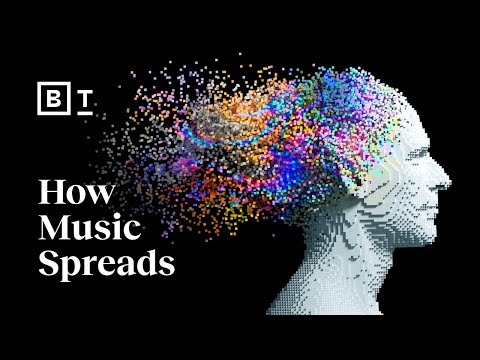
- WatchHow music spreads, explained in 5 minutes | Michael Spitzer · YouTube · 5 min watch
Expert Michael Spitzer explains how cultures shape musical taste and interpret music differently, and considers whether the internet will make music more uniform.
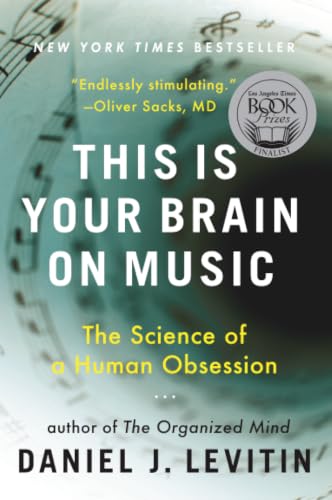
- BookThis Is Your Brain on Music: The Science of a Human Obsession · Bookshop.org
This Is Your Brain on Music by the McGill University neuroscientist Daniel J. Levitin, first published by Dutton Penguin in the U.S. and Canada in 2006, explores the science of how people respond to music.


Book links are Bookshop.org affiliate links. Curiate may earn a commission on purchases, at no extra cost to you — Bookshop.org also gives a share to independent bookshops.
Reading paths, built to arrive somewhere
Curiate turns what you are curious about into a short path — a quick lesson on an article, something to watch, and a book to go deep on. Free to browse.