How music and social movements express protest
Music and social movements describes music connected to social movements, as jazz experimentation was tied to movements including Civil Rights and Black Power in the '60s and '70s, while punk rock has been associated since the late 1970s with left-wing or anti-establishment ideologies and bands have used political lyrics attacking sources of social problems.
2 articles, 1 video, 1 book · about 1 hr 15 min of reading and viewing
The reading path
- Readmusic and social movements · Wikipedia · 60+ min read
Music and social movements: Billie Holiday recorded and popularized the song "Strange Fruit" in 1939. Written by Communist Lewis Allan, it addressed Southern racism, specifically the lynching of African-Americans, and was performed as a protest song in New York venues, including Madison Square Garden. Chicano musicians used music to express Mexican-Americans' experiences of discrimination and oppression in the United States. Their songs addressed immigrant rights, labor struggles, Chicano identity, and police brutality.
- ReadHow British Teens Blended Pop and Politics - JSTOR Daily · JSTOR Daily · 2 min read
Rock Against Racism's music-and-activism carnivals, starting in 1978, drew anywhere from 2,000 to 100,000 people each. Although RAR didn't necessarily lead youths to join socialist organizations or the Labour Party, it encouraged many young people to identify with antiracist and left-wing politics.
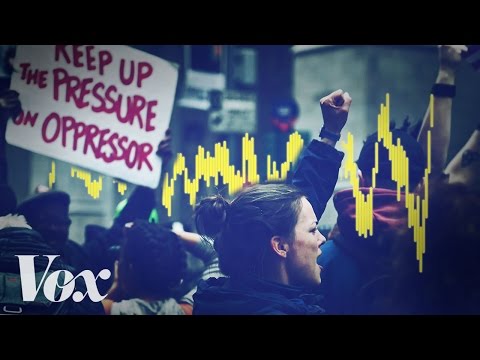
- WatchThe evolution of American protest music · YouTube · 7 min watch
American protest music has moved from oral tradition to radio, music videos and interactive platforms. Throughout, it has expressed political and social unrest and adapted to reach new audiences.
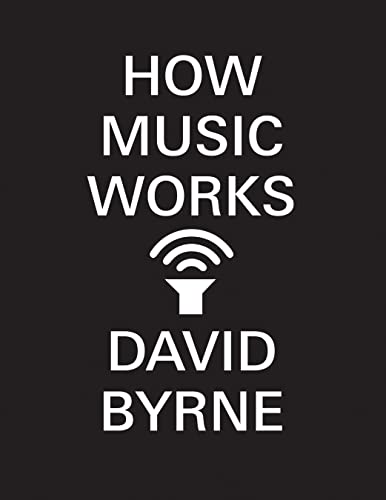
- BookHow Music Works · Bookshop.org
How Music Works by David Byrne discusses music's form and influence through career experiences and examines the conditions that supported new, avant-garde artists at CBGB, including Patti Smith, the Ramones, and Blondie.


Book links are Bookshop.org affiliate links. Curiate may earn a commission on purchases, at no extra cost to you — Bookshop.org also gives a share to independent bookshops.
Reading paths, built to arrive somewhere
Curiate turns what you are curious about into a short path — a quick lesson on an article, something to watch, and a book to go deep on. Free to browse.