Civil rights movements: voting, education, and community efforts
Civil rights movements were social movements in the United States from 1954 to 1968 that aimed to abolish legalized racial segregation, discrimination, and disenfranchisement, most commonly affecting African Americans. This path could help readers understand the movement's aims and the challenges of pursuing civil rights, tracing its themes through voting, education, and community efforts.
2 articles, 1 video, 1 book · about 2 hr 42 min of reading and viewing
The reading path
- Readcivil rights movements · Wikipedia · 60+ min read
The Voting Rights Act of 1965 suspended literacy tests, tests requiring voters to demonstrate reading ability, and other subjective voter registration tests. African Americans who had been barred from registering to vote finally had an alternative to taking suits to local or state courts, which had seldom prosecuted their cases successfully. Brown v. Board of Education of Topeka, Kansas (1954) dealt with segregation in education and set in motion the future overturning of "separate but equal." The following year, in Brown II, the Court ordered segregation to be phased out over time, "with all deliberate speed". Some scholars note that the civil rights movement was too diverse to be attributed to a single person, organization, or strategy. Sociologist Doug McAdam described it as a coalition of thousands of local efforts nationwide, spanning several decades, hundreds of discrete groups, and many strategies and tactics.
- ReadHow Septima Poinsette Clark Spoke Up for Civil Rights - JSTOR Daily · JSTOR Daily · 2 min read
Septima Poinsette Clark's Citizenship Schools, established throughout the South in the 1960s, taught basic literacy to black students so they could legally register to vote and pass the onerous literacy and citizenship tests imposed by Jim Crow legislatures. Septima Clark taught people to read and resist oppression and discrimination, linking literacy to the struggle against injustice. She campaigned to let black schoolteachers teach within the Charleston school district, and the plan succeeded.
- WatchCivil Rights and the 1950s: Crash Course US History #39 · YouTube · 12 min watch
John Green discusses the early Civil Rights movement alongside the wider context of 1950s America, including segregation, school desegregation, and the Montgomery Bus Boycott.
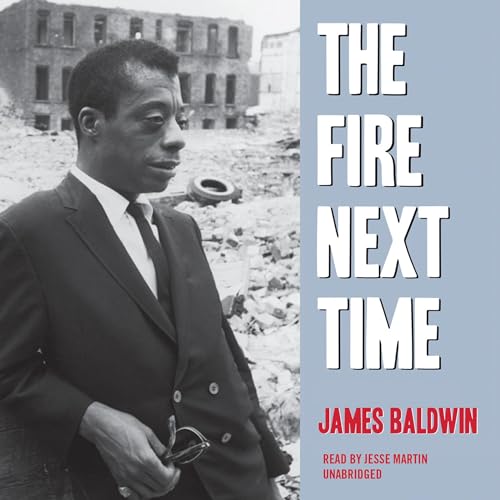
- BookThe Fire Next Time · Bookshop.org
The Fire Next Time by James Baldwin consists of two "letters," written on the occasion of the centennial of the Emancipation Proclamation, that exhort Americans, both black and white, to attack the terrible legacy of racism.


Book links are Bookshop.org affiliate links. Curiate may earn a commission on purchases, at no extra cost to you — Bookshop.org also gives a share to independent bookshops.
Reading paths, built to arrive somewhere
Curiate turns what you are curious about into a short path — a quick lesson on an article, something to watch, and a book to go deep on. Free to browse.