How art movements redefine art
The history of art movements concerns tendencies or styles in art with a specific philosophy or goal, followed by groups of artists during a specific period; these movements were especially important in modern art, when each consecutive movement was considered a new avant-garde movement.
2 articles, 1 book · about 9 min of reading and viewing
The reading path
- Readthe history of art movements · Wikipedia · 6 min read
Western art from the Renaissance up to the middle of the 19th century relied on perspective, a way of showing visible reality as an illusion. By the end of the 19th century, many artists felt a need for abstract art, a new style encompassing fundamental changes in technology, science and philosophy. During modern art, each consecutive movement was often considered a new avant-garde, with each movement seen as a somewhat grandiose rethinking of all that came before it in the visual arts.
- ReadThe Art of Walking - JSTOR Daily · JSTOR Daily · 3 min read
Vito Acconci pursued strangers in 1969 New York for "Following Piece," while Teresa Murak roamed 1974 Warsaw in a smock sprouting cress seeds. In performative art, art made through actions, walking can be both a loss of control and a seizing of public space.
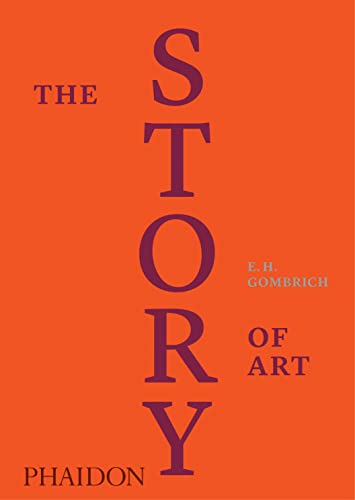
- BookThe Story of Art · Bookshop.org
The Story of Art, by E. H. Gombrich, is a survey of the history of art from ancient times to the modern era. First published in 1950 by Phaidon, the book is widely regarded both as a seminal work of criticism and as one of the most accessible introductions to the visual arts.

Book links are Bookshop.org affiliate links. Curiate may earn a commission on purchases, at no extra cost to you — Bookshop.org also gives a share to independent bookshops.
Reading paths, built to arrive somewhere
Curiate turns what you are curious about into a short path — a quick lesson on an article, something to watch, and a book to go deep on. Free to browse.