How art worlds shape what counts as art
The sociology of art is a subfield of sociology that explores the societal dimensions of art and aesthetics. These lessons answer how art worlds shape what counts as art, helping readers understand how social contexts influence art's status and boundaries. They consider the relationships between art, place, and the worlds in which art is recognized.
2 articles, 1 book · about 5 min of reading and viewing
The reading path
- ReadThe Global Rise of Street Art - JSTOR Daily · JSTOR Daily · 2 min read
The Long Beach Museum of Art is opening a show with installations and murals by twenty international artists. This example shows why the author judges Riggle's argument for street art as "post-museum art" limited: Pow! Wow! gatherings show street art and the art world in alliance rather than opposition, and street art is generally reserved for the street. Street art's reputation in the art world has not always been clearly defined. In Nicholas Alden Riggle's 2010 study, he argues that street art's significance hinges on being outside the art world, while POW! WOW! gatherings show street art and the art world are now in alliance.
- Readthe sociology of art · Wikipedia · 3 min read
In the sociology of art, research into the role of geographic location of art collections and collectors has shown that location affects collectors' prestige and recognition in the art world.
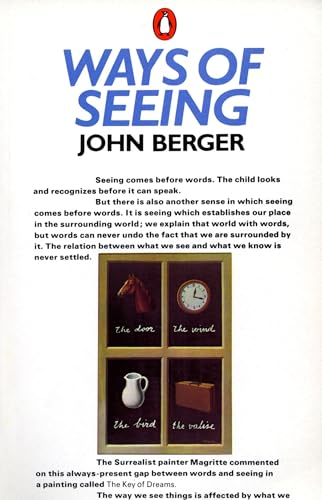
- BookWays of Seeing · Bookshop.org
Ways of Seeing is a 1972 television series of 30-minute films created chiefly by writer John Berger and producer Mike Dibb. It was broadcast on BBC Two in January 1972 and adapted into a book of the same name.


Book links are Bookshop.org affiliate links. Curiate may earn a commission on purchases, at no extra cost to you — Bookshop.org also gives a share to independent bookshops.
Reading paths, built to arrive somewhere
Curiate turns what you are curious about into a short path — a quick lesson on an article, something to watch, and a book to go deep on. Free to browse.