Curiate

Arts curations

How painting, sculpture, theatre and the other arts were made, and what they meant to the people who made them. Quick lessons on artists and movements, with the original works and essays one tap away.

Collections in Arts

Modernism in music, art, and design

Modernism was an early 20th-century movement in literature, visual arts, performing arts, and music that emphasized experimentation, abstraction, and subjective experience. How did modernists challenge tradition while organizing sound, portraying modern life, and shaping industrial design? By the end, readers will understand how modernist ideas could break with inherited practices and guide new forms of artistic and cultural expression.

by Curiate·modernism·1 upvote
Music and dance through rhythm and movement

Music and Dance was an Australian television program. How do rhythm and movement connect music, bodies, and minds? By the end, readers will understand how music and dance relate through bodily movement, shared timing, and their effects on coordination and well-being.

by Curiate·the relationship between music and dance

Italian Renaissance art and humanist ideals

The Italian Renaissance was a period in Italian history covering the 15th and 16th centuries, marking the transition from the Middle Ages to the early modern era. How did humanist ideals shape art, architecture, and ways of understanding the world? By the end, readers will understand how classical learning and attention to human life and nature informed artistic expression.

by Curiate·the art of the italian renaissance

The feminist art movement and the male-dominated canon

The feminist art movement is an international effort by feminists to produce art reflecting women's lives and experiences and to change how contemporary art is produced and perceived. How did feminist artists challenge the male-dominated art canon? The lessons show how representation, artistic practice, institutional barriers, and alternative spaces shaped efforts to make women artists more visible and included.

by Curiate·the feminist art movement of the 1970s

How symbols in art get their meaning

Symbolism in art is the use of concrete things to suggest abstract, deeper, or non-literal ideas, whether meanings are built in by creators or formed through interpretation. What gives symbols their meaning, and how can you recognize the ways meaning is made? The lessons consider how meaning can arise through creation, interpretation, and shared understanding.

by Curiate·the use of symbolism in art

Postmodern art and the reuse of images

Postmodern art is a body of art movements that sought to contradict some aspects of modernism or some aspects that emerged or developed in its aftermath. How does reusing existing images challenge ideas about art and meaning? By the end, readers will understand how reworking images can unsettle assumptions about authorship, originality, and who defines meaning.

by Curiate·postmodern art

Abstract expressionism and painting as an event

Abstract expressionism was a rebellious and idiosyncratic art movement that emerged in the United States in the aftermath of World War II and gained mainstream acceptance in the 1950s. How did painting become an event rather than simply an image? By the end, readers will understand how artistic context, process, gesture, and varied approaches shaped the movement's ideas about meaning and expression.

by Curiate·abstract expressionism

How surrealism disrupts ordinary reality

Surrealism is an art and cultural movement in which artists aimed to let the unconscious mind express itself, often through illogical or dreamlike scenes and ideas, and the term originated with Guillaume Apollinaire in 1917. What can surrealism help us understand about dreamlike disruptions of ordinary reality? The lessons trace how such disruptions take shape across artistic practice, literature, and cinema.

by Curiate·surrealism

Theater of the absurd, repetition, and stalled action

Theater of the absurd is a style of plays that focuses on life without meaning or purpose and on communication breaking down. The lessons answer how repetition, waiting, and stalled action shape this theater, and what they reveal about human existence. Together, they trace how circular patterns make inaction part of the form.

by Curiate·theater of the absurd

Underground comix and alternative comics publishing

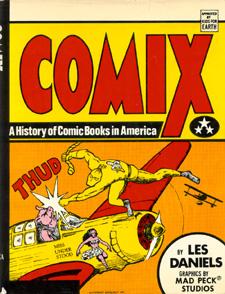
The underground comic scene consisted of small press or self-published comic books, often socially relevant or satirical, that depicted content forbidden to mainstream publications by the Comics Code Authority. How did underground comix emerge and challenge established publishing? By the end, readers will understand the scene's influences and how its creators changed comics' artistic, social, and economic conventions.

by Curiate·the underground comic scene in the 1960s

The art market and trust in prices

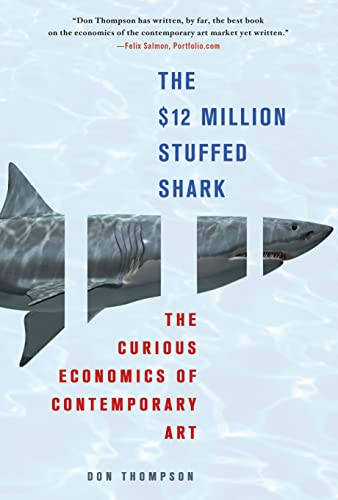
The art market is the marketplace of buyers and sellers trading commodities, services, and works of art. Why can art prices be hard to trust? The lessons show how auction practices, estimates, and concentrated demand shape confidence in valuations.

by Curiate·the art market

The art scene in 1920s Paris and its spaces

The art scene in 1920s Paris was part of the Années folles, the decade of the 1920s in France, a term coined to describe the period's social, artistic, and cultural collaborations. How did social gathering places and public and private architecture shape the city's cultural life? The lessons show how artistic expression and social exchange took form across different urban spaces.

by Curiate·the art scene in 1920s paris

How art conservation balances restoration with history

Art conservation is the work of protecting and caring for cultural property, including artworks, architecture, archaeology, and museum collections. These lessons answer how conservators can balance restoration with an artwork's history, while caring for its appearance, materials, and future treatment. They consider the choices and ethical questions that shape conservation decisions.

by Curiate·art conservation

Canada called residential schools cultural genocide

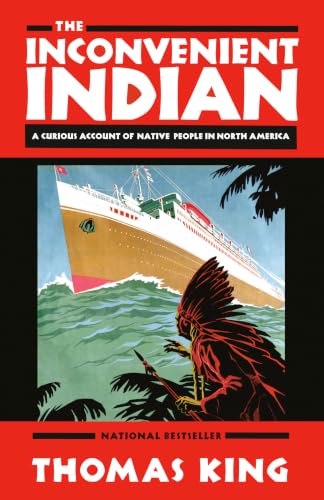
Survivors of Canada's residential school system reported abuse that caused long lasting trauma, and the last school did not close until 1996. How did the placement of Indigenous children in these schools, away from their families and languages, shape Indigenous identity and culture? The Inconvenient Indian by Thomas King is a critical and personal meditation on what it means to be "Indian" in North America, weaving the circular tale of the relationship between non-Natives and Natives since their first encounter.

by Curiate·the art and culture of the indigenous peoples of canada

How art worlds shape what counts as art

The sociology of art is a subfield of sociology that explores the societal dimensions of art and aesthetics. These lessons answer how art worlds shape what counts as art, helping readers understand how social contexts influence art's status and boundaries. They consider the relationships between art, place, and the worlds in which art is recognized.

by Curiate·the sociology of art

How art movements redefine art

The history of art movements concerns tendencies or styles in art with a specific philosophy or goal, followed by groups of artists during a specific period; these movements were especially important in modern art, when each consecutive movement was considered a new avant-garde movement.

by Curiate·the history of art movements

Impressionism, perception, and changing artistic approaches

Impressionism is a style named after Claude Monet's work Impression, Sunrise, which prompted critic Louis Leroy to coin the term in a satirical 1874 review of the First Impressionist Exhibition. How did artists convey fleeting perception, and how did their approaches change? Readers will understand how techniques for depicting visual experience developed into varied forms of artistic expression.

by Curiate·impressionism

Art criticism and changing standards of judgment

Art criticism is the discussion or evaluation of visual art. How do the questions and commitments of critics shape judgments about art? Readers will understand how approaches to interpretation and evaluation reflect their cultural contexts and influence which art and artists receive attention.

by Curiate·art criticism

Reading paths, built to arrive somewhere

Curiate turns what you are curious about into a short path — a quick lesson on an article, something to watch, and a book to go deep on. Free to browse.

Explore CuriateHow it works