How art conservation balances restoration with history
Art conservation is the work of protecting and caring for cultural property, including artworks, architecture, archaeology, and museum collections. These lessons answer how conservators can balance restoration with an artwork's history, while caring for its appearance, materials, and future treatment. They consider the choices and ethical questions that shape conservation decisions.
2 articles, 1 book · about 29 min of reading and viewing
The reading path
- Readart conservation · Wikipedia · 26 min read
Art conservation often involves compromises between preserving appearance, maintaining original design and material properties, and the ability to reverse changes. Reversibility is now emphasized to reduce problems with future treatment, investigation, and use. In art conservation, interventive conservation means direct interaction between a conservator and an object's material fabric. Such actions may serve aesthetic choices, structural stability, or cultural continuity. For art conservation, conservators choose polyethylene, polypropylene, and polyester for storage enclosures because these relatively long-lived plastics are less likely to yellow, leach plasticizers, or lose structural integrity and crumble. They also take longer to degrade in landfill.
- ReadGraduate Student Develops an A.I.-Based Approach to Restore Time-Damaged Artwork to Its Former Glory · Smithsonian Science · 3 min read
Art conservation raises ethical concerns when conservators directly retouch damaged areas of a painting: the damage is part of the artwork's history, and retouching might detract from the painter's original vision.
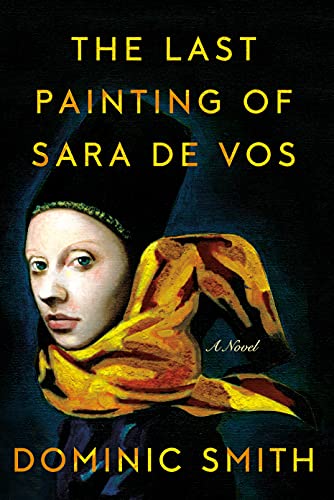
- BookThe Last Painting of Sara de Vos · Bookshop.org
The Last Painting of Sara de Vos by Dominic Smith is a 2016 novel. It follows a rare landscape by a 17th-century Dutch woman painter, from a 1950s Manhattan owner to the art historian who once painted a forgery of it.


Book links are Bookshop.org affiliate links. Curiate may earn a commission on purchases, at no extra cost to you — Bookshop.org also gives a share to independent bookshops.
Reading paths, built to arrive somewhere
Curiate turns what you are curious about into a short path — a quick lesson on an article, something to watch, and a book to go deep on. Free to browse.