How biodiversity conservation connects ecosystems
Biodiversity conservation is the study of conserving nature and Earth's biodiversity to protect species, habitats, and ecosystems from excessive extinction and the erosion of biotic interactions. These lessons answer how conservation can protect ecosystems and the connections that sustain them. They build understanding of the role of connectivity in conservation and the ways it can be maintained.
2 articles, 1 book · about 1 hr 10 min of reading and viewing
The reading path
- Readbiodiversity conservation · Wikipedia · 60+ min read
Habitat fragmentation poses challenges because protected areas cover only 11.5 percent of the Earth's surface. Fragmentation and a lack of linked protected areas reduce animal migration on a global scale. Himalayan Adventure Therapy's reforestation campaign in Nepal periodically visits old forests vulnerable to loss of density and area from unplanned urbanization, planting saplings from the same tree families where forest has been lost and in connected barren areas. This helps maintain the original forests' density and area, conserving habitat rather than creating an entirely new environment. Long-term monitoring of environmental and ecological metrics is important to successful biodiversity conservation. Without historical data on species populations, habitats, and ecosystems, conservation work must make assumptions about whether it affects population or ecosystem health.
- ReadPrioritising threatened species could help 'guide' expansion of EU protected areas - Carbon Brief · Carbon Brief · 8 min read
For biodiversity conservation, Navarro, a researcher discussing protected areas, says ecosystem connectivity, the movement of species and ecological flows among protected areas, is crucial. Connectivity supports ecosystem health because species may need more space to move when extreme events such as forest fires hit a region.
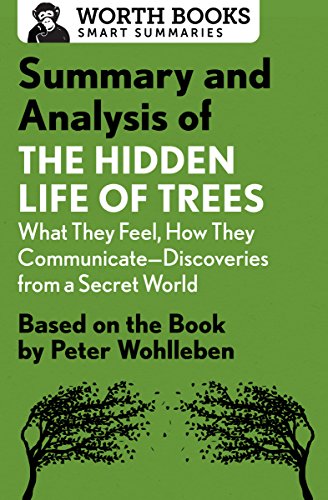
- BookThe Hidden Life of Trees: What They Feel, How They Communicate · Bookshop.org
The Hidden Life of Trees by Peter Wohlleben describes how trees grow and co-exist in their ecosystems, and lays out Wohlleben's ethic of leaving forests as undisturbed by humans as possible while opposing monoculture plantations and heavy machinery.


Book links are Bookshop.org affiliate links. Curiate may earn a commission on purchases, at no extra cost to you — Bookshop.org also gives a share to independent bookshops.
Reading paths, built to arrive somewhere
Curiate turns what you are curious about into a short path — a quick lesson on an article, something to watch, and a book to go deep on. Free to browse.