How environmental law protects biodiversity
Environmental law addresses environmental issues through international law and agreements, some of which legally bind countries on matters from pollution to wildlife and biodiversity protection. The lessons answer how law can help protect biodiversity and what role it plays in that effort. They consider how legal principles and approaches apply to wildlife, habitats, and conservation.
3 articles, 1 book · about 2 hr 9 min of reading and viewing
The reading path
- Readenvironmental law · Wikipedia · 44 min read
Wildlife laws govern the potential impact of human activity on wild animals, directly on individuals or populations, or indirectly through habitat degradation. Regulatory efforts may include prohibitions on killing, harming, or disturbing protected species and efforts to support species recovery. Singapore's environmental law includes legislation enacted to fulfil its treaty obligations, including the Parks and Trees Act, Endangered Species (Import and Export) Act, and Wildlife Act. The Wildlife (Protected Wildlife Species) Rules 2020 marks the first instance in Singapore's history that direct legal protection has been offered for specific named species, as listed in Parts 1-5 of the Rules' schedule. Multilateral environmental agreements sometimes create an International Organization, Institution or Body responsible for implementing the agreement. The source names the Convention on International Trade in Endangered Species of Wild Fauna and Flora (CITES) and the International Union for Conservation of Nature (IUCN) as "Major examples."
- ReadPER 2006 (1) Verschuuren - article · law.nwu.ac.za · 60+ min read
Johan Verschuuren describes sustainable development as an ideal for environmental policy, meaning a broad idea about society's ultimate goal. He says his theory on the relationship between an ideal and legal principles can also be applied to conserving biodiversity.
- ReadIntroduction to Environmental Law · Lexibal · 5 min read
Environmental Law aims to safeguard human health, protect biodiversity, prevent environmental harm, and promote sustainable development so present needs do not compromise future generations' ability to meet their own needs. Unlike traditional laws, it is largely preventive and remedial rather than purely punitive.
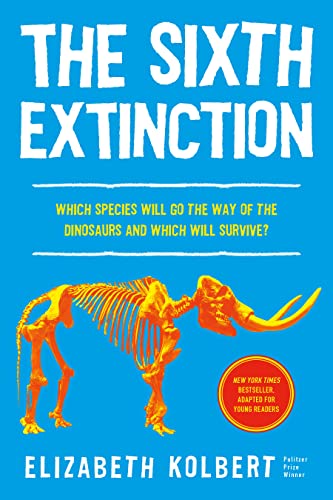
- BookThe Sixth Extinction: An Unnatural History · Bookshop.org
The Sixth Extinction by Elizabeth Kolbert chronicles previous mass extinction events and compares them with accelerated, widespread extinctions in the present, describing species extinguished by humans and the ecologies surrounding these events. This account helps readers understand the scale and ecological context of the losses environmental law addresses.


Book links are Bookshop.org affiliate links. Curiate may earn a commission on purchases, at no extra cost to you — Bookshop.org also gives a share to independent bookshops.
Reading paths, built to arrive somewhere
Curiate turns what you are curious about into a short path — a quick lesson on an article, something to watch, and a book to go deep on. Free to browse.