Curiate

Environment curations

How ecosystems, climate and human activity affect one another, and what can be done about it. Quick lessons on nature, pollution and conservation, with the reporting and research behind each one.

Collections in Environment

The battle for the Amazon rainforest and Indigenous lands

The battle for the Amazon rainforest concerns the world's largest rainforest, more recently cut down for cattle and soybean farming, and by 1995 much previously forested land had been converted for cattle ranching. The lessons answer how forest loss and land use affect Indigenous lives and land. They build an understanding of the pressures on forests and the ties between land and communities.

by Curiate·the battle for the amazon rainforest·2 upvotes
How biodiversity conservation connects ecosystems

Biodiversity conservation is the study of conserving nature and Earth's biodiversity to protect species, habitats, and ecosystems from excessive extinction and the erosion of biotic interactions. These lessons answer how conservation can protect ecosystems and the connections that sustain them. They build understanding of the role of connectivity in conservation and the ways it can be maintained.

by Curiate·biodiversity conservation·1 upvote

Environmental law and biodiversity protection

Environmental law is a continuing source of controversy, and global and regional environmental issues are increasingly the subject of international law. How can law protect biodiversity? By the end, readers will understand how legal rules address harm to wildlife and habitats, manage harvesting, and guide preventive action amid environmental risk.

by Curiate·environmental law·1 upvote

Deforestation, its impacts and responses

Deforestation is the removal and destruction of a forest or stand of trees from land that is then converted to non-forest use, such as farms, ranches, or urban use. The lessons answer how forest loss is connected to land use, water, community rights, and global efforts to protect forests. Together, these themes help explain the pressures on forests and the approaches to conserving them.

by Curiate·deforestation·1 upvote

Green technology for cutting climate emissions

Green technology applies environmental science, green chemistry, environmental monitoring, and electronic devices to monitor and conserve nature and resources and curb the negative impacts of human activity. The path explores how efficiency and renewable energy can reduce pollution and emissions, moving through industry and transportation, energy generation, buildings, and monitoring.

by Curiate·green technology

Kiribati's plan to move within and beyond its islands

In 2014, Kiribati, a Pacific island nation of 110,000 people, paid US$8.77 million for a 5500-acre estate in Fiji, though the purchase did not give it sovereignty, or legal control, over the land. Why would a nation threatened by rising seas buy land abroad, and what could happen to island countries if their atolls are swamped? In The Hungry Tide by Amitav Ghosh, readers meet settlers living in fear of drowning tides in the Sundarbans.

by Curiate·the effects of climate change on the pacific island nations

Planning cities with climate adaptation strategies

Climate adaptation strategies, sometimes called adaptation measures or solutions, help manage impacts and risks to people and nature through infrastructure and technology, institutions, behaviour and culture, and nature-based approaches. What can cities do to plan for rising seas and manage climate risks? The lessons consider how urban planning, infrastructure and regulation can help cities prepare for changing conditions.

by Curiate·climate adaptation strategies

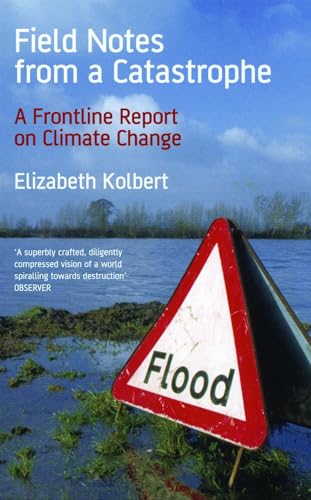
The impact of climate change on coastal communities

Since 1955, Isle de Jean Charles, a narrow Louisiana ridge of land that is the homeland of a state-recognized tribe, has lost about 98% of its land to saltwater intrusion and subsidence, or sinking land. How do rising seas affect coastal communities, and what happens when residents must move? The Water Knife by Paolo Bacigalupi follows Angel Velasquez investigating a rumored game-changing water source as Lucy hunts for water and a river's life-giving flow is at stake.

by Curiate·the impact of climate change on coastal communities

Civil rights and environmental injustice

The legacy of the civil rights movement on environmental activism reflects environmental injustices spanning millennia of unrecorded history. How have racial discrimination and public policy shaped environmental harms and access to outdoor spaces? By the end, readers will understand how race, class, political power, and civil-rights framing influence environmental decisions and unequal exposure to hazards.

by Curiate·the legacy of the civil rights movement on environmental activism

Gulf of Mexico oil spill damage and recovery

The impact of the oil spill in the Gulf of Mexico is regarded as one of the largest environmental disasters in world history. How did the spill affect coastal livelihoods, cleanup, and seafood choices? The lessons explain the economic and environmental consequences, the work of removing oil, and how recovery can differ across communities and concerns.

by Curiate·the impact of the oil spill in the gulf of mexico

Ecosystem services in farms, coasts, and forests

Ecosystem services are the various benefits that humans derive from ecosystems, including pollination of crops, clean air and water, decomposition of wastes, and flood control. How can ecosystems support people and how can those benefits be maintained? By the end, readers will understand how habitats, community-led land management, and climate adaptation can help sustain benefits from ecosystems while balancing different needs.

by Curiate·ecosystem services

Carbon footprints across global supply chains

A carbon footprint is a calculated value or index for comparing the total greenhouse gases an activity, product, company or country adds to the atmosphere. How do emissions move through supply chains, and how do accounting choices affect what a footprint includes? By the end, readers will understand how emissions are traced across production, trade and consumption, and why a complete view matters.

by Curiate·carbon footprint

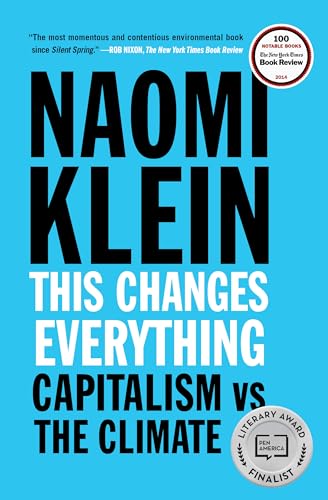
Climate change and how greenhouse gases warm Earth

Climate change is the ongoing rise in global average temperature and its wider effects on Earth's climate system. Human activities, especially fossil fuel burning since the Industrial Revolution, drive today's warming; the lessons cover how climate change affects land, oceans, ice and the atmosphere.

by Curiate·climate change

The politics and political economy of climate action

The politics of climate change concerns differing perspectives on how to respond to climate change. How do political and economic processes shape decisions about climate action? By the end, readers will understand the trade-offs, power relations and competing responsibilities that influence climate policy.

by Curiate·the politics of climate change

Wildlife conservation through habitat care and intervention

Wildlife conservation means protecting wild species and their habitats to maintain healthy wildlife populations and restore, protect, or enhance natural ecosystems. What does protecting habitats require, and how can it help wildlife while affecting people connected to those places? The lessons consider the roles of habitat care, practical interventions, and the human consequences of conservation.

by Curiate·wildlife conservation

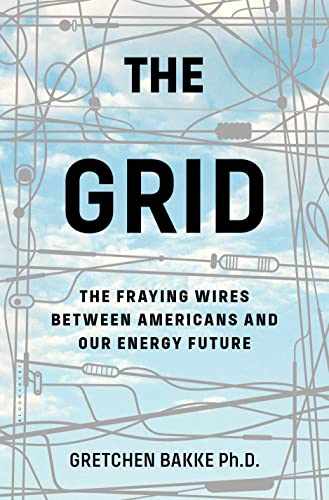
Renewable energy and an adaptable grid

Renewable energy was nearly all the energy used before coal developed in the mid 19th century; its oldest known use, traditional biomass for fires, dates from more than a million years ago. How can grids adapt to variable renewable supply while staying reliable and affordable? The lessons show how infrastructure upgrades, resilience measures and energy planning help grids respond to changing conditions.

by Curiate·renewable energy

The Wilderness Act and legal protection

The Wilderness Act is a federal law signed in 1964 that protects designated wilderness areas from activities such as timber and mining. The path explores why wilderness needed legal protection, how boundaries and restrictions work, and how public support has helped protection grow.

by Curiate·Wilderness Act

Fracking's local costs and benefits in Texas

The impact of fracking on local communities in Texas includes contamination of ground and surface water, methane emissions, and air pollution. How does the fracking boom affect local infrastructure, water resources, and economic opportunity? By the end, readers will understand how the boom's burdens and benefits shape communities.

by Curiate·the impact of fracking on local communities in texas

The decline of the coal industry in Appalachia and its human toll

The decline of the coal industry in Appalachia is part of a U.S. coal industry in transition, with production in 2023 down about 50% from its 2008 peak of 1,171.8 million short tons (1,063 million metric tons).

by Curiate·the decline of the coal industry in appalachia

How marine conservation sees life as interconnected

Marine conservation, also known as ocean conservation, is the protection and preservation of ecosystems in oceans and seas through planned management to prevent the over-exploitation of marine resources. How do connections among marine life, ecosystems, and people shape conservation? By the end, readers will understand how ecological changes affect both wildlife and livelihoods, and how research, practical measures, and cooperation can help protect them.

by Curiate·marine conservation

Reading paths, built to arrive somewhere

Curiate turns what you are curious about into a short path — a quick lesson on an article, something to watch, and a book to go deep on. Free to browse.

Explore CuriateHow it works