Planning cities with climate adaptation strategies
Climate adaptation strategies, sometimes called adaptation measures or solutions, help manage impacts and risks to people and nature through infrastructure and technology, institutions, behaviour and culture, and nature-based approaches. What can cities do to plan for rising seas and manage climate risks? The lessons consider how urban planning, infrastructure and regulation can help cities prepare for changing conditions.
2 articles, 1 video, 1 book · about 1 hr 26 min of reading and viewing
The reading path
- Readclimate adaptation strategies · Wikipedia · 60+ min read
In coastal settlements, flood risks are exacerbated by sea-level rise and storm surges. Adaptation options for cities include flood control measures within and outside properties and urban drainage projects. As a climate adaptation strategy, mangroves can dampen storm energy, helping prevent flooding. Building codes are a climate adaptation strategy: managing regulations helps keep people healthy and comfortable during hot and cold extremes and protects them from floods. Measures include increasing insulation, adding solar shading, and requiring higher foundations for waterfront properties.
- ReadWhy the UN says climate adaptation could cost developing countries $1 trillion a year - Carbon Brief · Carbon Brief · 3 min read
For climate adaptation strategies, governments may build flood defenses to withstand an unlikely worst-case event with devastating effects, rather than a more likely outcome that would cause less damage.
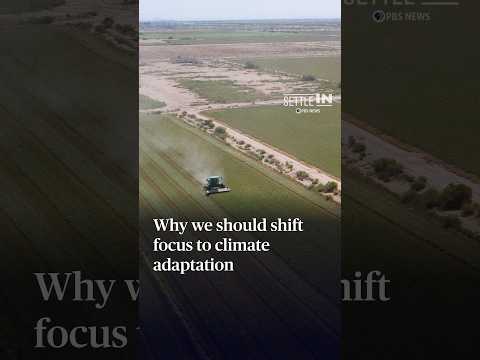
- WatchWhy we should shift focus to climate adaptation · YouTube · 1 min watch
Craig Fugate, who led the Federal Emergency Management Agency from 2009 to 2017, reflects on President Barack Obama's call to focus on climate adaptation after Superstorm Sandy, and how it shaped government guidance and response.
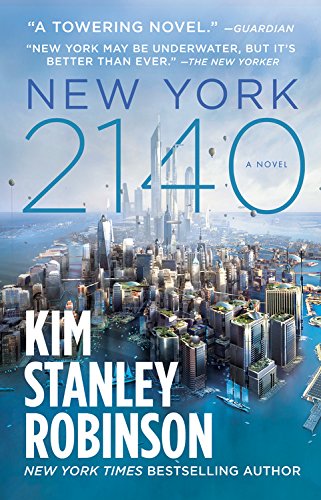
- BookNew York 2140 · Bookshop.org
New York 2140 by Kim Stanley Robinson describes residents adapting after rising waters submerge New York City, while the city remains a bustling, vibrant metropolis.


Book links are Bookshop.org affiliate links. Curiate may earn a commission on purchases, at no extra cost to you — Bookshop.org also gives a share to independent bookshops.
Reading paths, built to arrive somewhere
Curiate turns what you are curious about into a short path — a quick lesson on an article, something to watch, and a book to go deep on. Free to browse.