How the politics of climate change shapes action
The politics of climate change concerns differing perspectives on how to respond to climate change. It first emerged as a political issue in the 1970s, and efforts to mitigate climate change have been prominent on the international political agenda since the 1990s.
2 articles, 1 video, 1 book · about 1 hr 48 min of reading and viewing
The reading path
- Readthe politics of climate change · Wikipedia · 60+ min read
Political economy of climate change applies political economy thinking about social and political processes to study decision-making on climate change. This perspective helps to explain how different stakeholders interact in response to climate-change impacts and provides opportunities for better implementation of climate-change policies. Climate politics is shaped by social and political movements focused on building political will for climate action. These include the climate justice movement, youth climate movement and movements to divest from fossil fuel industries. Financial institutions generally support policies against global warming, particularly carbon trading schemes and market mechanisms that associate a price with carbon. These markets require trading infrastructures that banking institutions can provide.
- ReadClimate change is a political animal - Carbon Brief · Carbon Brief · 4 min read
Responding to climate change is a political process, and the IPCC's report on mitigation, the prevention of climate change, is likely to be the most politically sensitive and contentious of its three current reports.
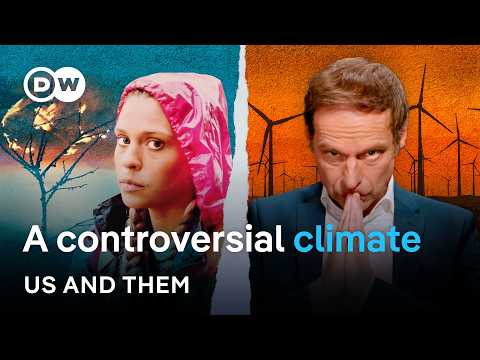
- WatchClimate change or climate hoax? Skeptics and activists | Us & Them | DW Documentary | 4K UHD · YouTube · 36 min watch
Climate politics involves disputes over responsibility, economic interests and how to respond. German climate activist Anja Windl and business lobbyist Thorsten Alsleben disagree over activism and climate policy, while people in Indonesia face deforestation that threatens their livelihoods and coastal mangroves.
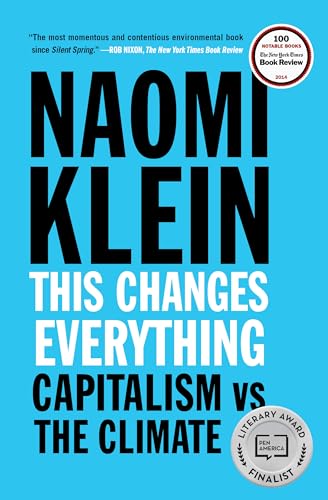
- BookThis Changes Everything: Capitalism vs. The Climate · Bookshop.org
This Changes Everything: Capitalism vs. the Climate is Naomi Klein's fourth book; it was published in 2014 by Simon & Schuster. Klein argues that the climate crisis cannot be addressed in the current era of neoliberal market fundamentalism, which encourages profligate consumption and has resulted in mega-mergers and trade agreements hostile to the health of the environment.


Book links are Bookshop.org affiliate links. Curiate may earn a commission on purchases, at no extra cost to you — Bookshop.org also gives a share to independent bookshops.
Reading paths, built to arrive somewhere
Curiate turns what you are curious about into a short path — a quick lesson on an article, something to watch, and a book to go deep on. Free to browse.