How forests' ecosystem services relate to climate change
Ecosystem services are the benefits people get from ecosystems, such as pollination, clean air and water, waste breakdown and flood control, which support human well-being. The lessons answer how forests benefit people and how those benefits relate to climate change. They connect forest contributions to human needs with their role in a changing climate.
2 articles, 1 video, 1 book · about 44 min of reading and viewing
The reading path
- Readecosystem services · Wikipedia · 33 min read
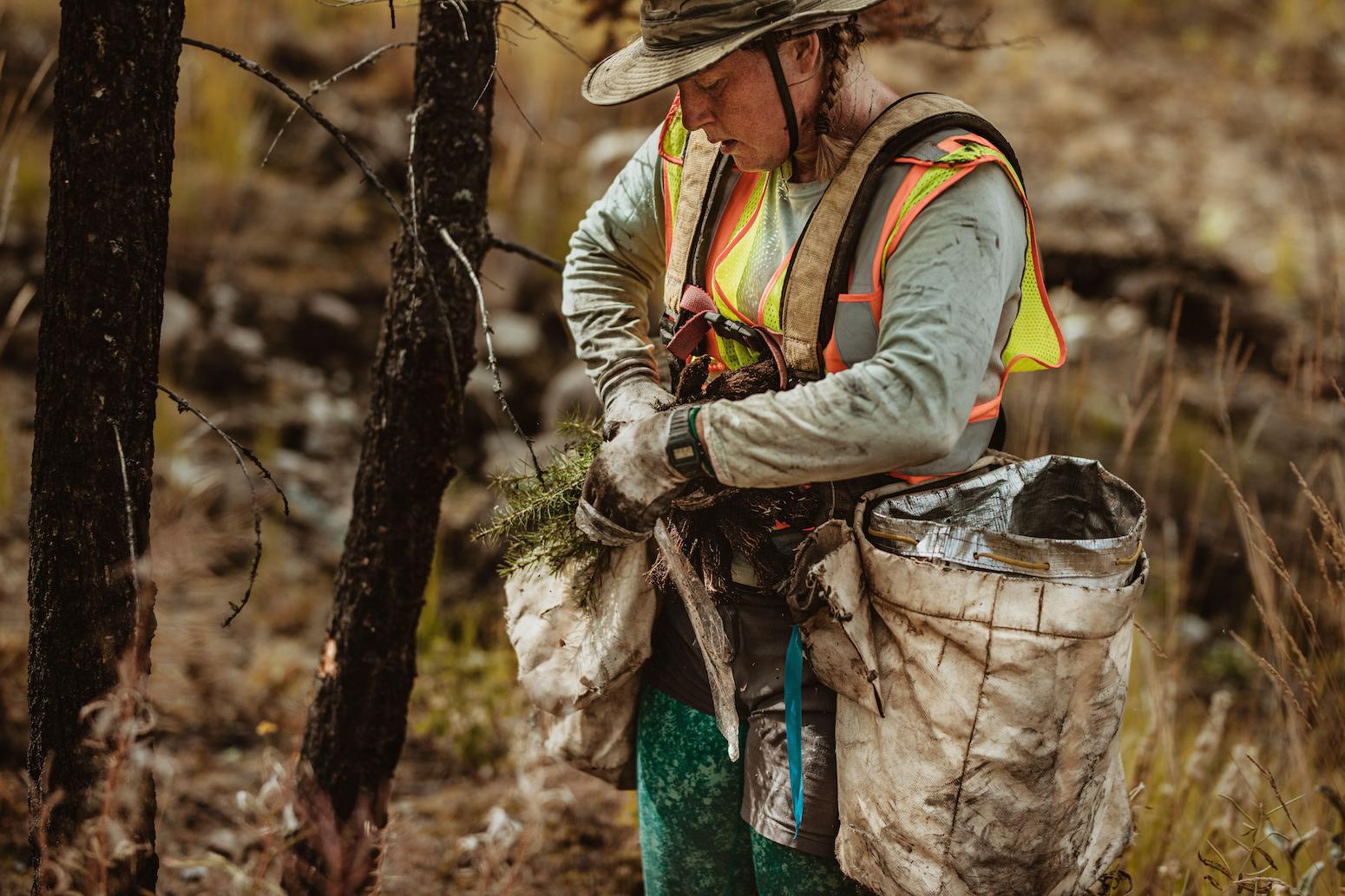
New York City authorities opted to restore the polluted Catskill Watershed after drinking water quality fell below U.S. Environmental Protection Agency (EPA) standards. Once sewage and pesticide inputs were reduced, soil absorption and filtration, root systems and soil microorganisms helped water quality meet government standards. Coastal and estuarine ecosystems provide a buffer against hazards such as tidal surges and storms. Mangrove forests protect shorelines from tidal erosion or currents; after the 1999 cyclone that hit India, villages surrounded by mangroves encountered less damage than villages without that protection. As ecosystem services, forests provide non-wood products including wild foods. Around 1 billion people depend to some extent on wild foods, which often contain high levels of key micronutrients.
- ReadHelping 'climate-compatible trees' spread their seeds may benefit Europe's forests - Carbon Brief · Carbon Brief · 6 min read
Forests provide benefits to humans and the environment, including wood for fuel and construction, and climate change has already made forests in Europe more vulnerable, according to a 2021 Nature Communications study. The EU's Joint Research Centre's 2020 report says forests are the bloc's largest land ecosystem. It says they harbor biodiversity and contribute "significantly" to climate change mitigation.
- WatchHumans and ecosystems: how do vultures provide ecosystem services? | Khan Academy · YouTube · 5 min watch
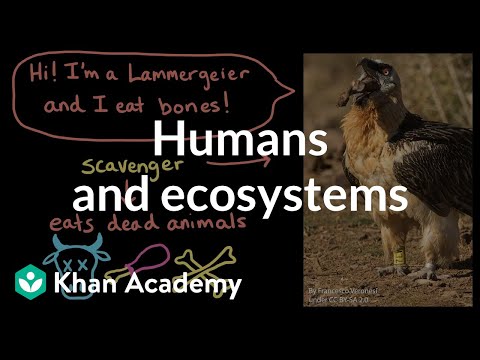
The Lammergeier, a bone-eating vulture, illustrates the four categories of ecosystem services: provisioning, regulating, supporting and cultural. Harmful chemicals can threaten vultures, with ecological and economic consequences.
- BookBraiding Sweetgrass: Indigenous Wisdom, Scientific Knowledge, and the Teachings of Plants · Bookshop.org
Braiding Sweetgrass by Robin Wall Kimmerer describes reciprocal relationships between humans and the land, combining Western scientific methods with Native American knowledge about sustainable land stewardship.


Book links are Bookshop.org affiliate links. Curiate may earn a commission on purchases, at no extra cost to you — Bookshop.org also gives a share to independent bookshops.
Reading paths, built to arrive somewhere
Curiate turns what you are curious about into a short path — a quick lesson on an article, something to watch, and a book to go deep on. Free to browse.