Why climate change displaces Pacific island nations
Climate change threatens Pacific island nations, their peoples and cultures through rising seas, heavier rain, cyclones and storm surges, while also altering ecosystems and natural environments. The lessons answer how these effects can lead to island displacement and help readers understand what that means for communities. They follow the connection between environmental change, threatened homes and the possibility of leaving.
2 articles, 1 book · about 35 min of reading and viewing
The reading path
- Read'Disenfranchised' small islands to become increasingly arid - Carbon Brief · Carbon Brief · 3 min read
Climate change threatens the long-term survival of small island nations, leading some to consider mass migration as rising sea levels threaten them. Their future could be less bleak if emissions are rapidly reduced.
- Readthe effects of climate change on the pacific island nations · Wikipedia · 32 min read
Rising sea levels put Pacific island nations at increased risk of losing coastal arable land to degradation and salination, threatening food security. Once the limited available soil becomes salinated, it becomes very difficult to produce subsistence crops such as breadfruit. Between 1947 and 2014, six islands of the Solomon Islands disappeared due to sea level rise, while another six shrunk by between 20 and 62 per cent. Nuatambu Island had 25 families living on it; 11 houses washed into the sea by 2011.
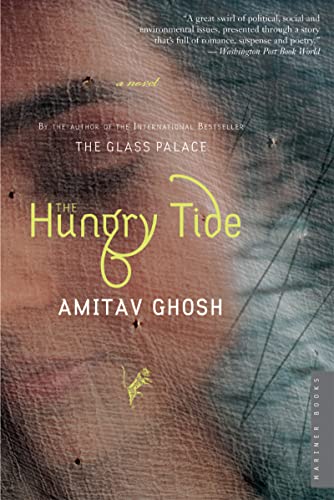
- BookThe Hungry Tide · Bookshop.org
The Hungry Tide by Amitav Ghosh describes settlers living in fear of drowning tides in the Sundarbans and follows Piya Roy, a young American marine biologist of Indian descent, as she searches for a rare species of river dolphin with help from a local fisherman and a translator.


Book links are Bookshop.org affiliate links. Curiate may earn a commission on purchases, at no extra cost to you — Bookshop.org also gives a share to independent bookshops.
Reading paths, built to arrive somewhere
Curiate turns what you are curious about into a short path — a quick lesson on an article, something to watch, and a book to go deep on. Free to browse.