The United Nations' ambitions and limits
The history of the United Nations began with the Declaration of St James's Palace during World War II; in 1944 to 1945, US president Franklin D. Roosevelt pushed for the United Nations to replace the defunct League of Nations.
2 articles, 1 video, 1 book · about 36 min of reading and viewing
The reading path
- Readthe history of the united nations · Wikipedia · 24 min read
The United Nations Command is a multinational military force established to support the Republic of Korea (South Korea) during and after the Korean War. The UNC was established on 7 July 1950 following the UN Security Council, the UN body that met to address conflicts between nations, recognizing North Korean aggression against South Korea. G. J. Eddy Gouraige argues that UN resolutions from 1946 to 1960 made decolonization a top priority and gave the General Assembly tools to end colonialism. Nearly all the main colonies of the British, French and Dutch empires gained independence by the 1960s, though critics complained that the UN did little to end Portuguese colonization. The United Nations has achieved considerable prominence in the social arena, fostering human rights, economic development, decolonization, health and education, for example, and interesting itself in refugees and trade.
- ReadThe United Nations Hasn't Been Useless on Ukraine · War on the Rocks · 10 min read
The United Nations' Security Council cannot realistically restrain its most powerful members: when one of its five veto-wielding members is determined to launch a war, U.N. rules mean the council cannot do much about it.
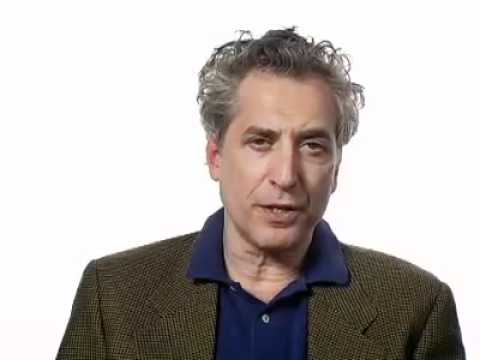
- WatchJames Traub on the United Nations | Big Think · YouTube · 2 min watch
James Traub discusses the United Nations' standing and how its secretary general is chosen, citing Ban Ki-Moon.
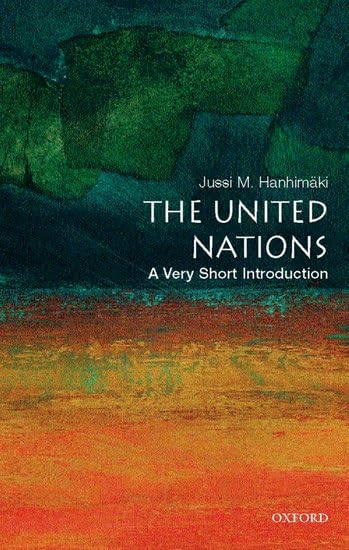
- BookThe United Nations: A Very Short Introduction · Bookshop.org
The United Nations Development Programme coordinates UN work in over 160 developing countries.


Book links are Bookshop.org affiliate links. Curiate may earn a commission on purchases, at no extra cost to you — Bookshop.org also gives a share to independent bookshops.
Reading paths, built to arrive somewhere
Curiate turns what you are curious about into a short path — a quick lesson on an article, something to watch, and a book to go deep on. Free to browse.