Who controls women's reproductive choices
Women's reproductive rights concern legal freedoms around reproduction and reproductive health, which vary among countries, and began developing as human rights at a 1968 United Nations conference. How do women's experiences reveal who controls their reproductive choices? The lessons consider the roles of law, care, and social expectations.
2 articles, 1 book · about 1 hr 18 min of reading and viewing
The reading path
- Readthe experiences of women during the reproductive rights movement · Wikipedia · 60+ min read
Women's experiences during the reproductive rights movement included state efforts to control reproduction: communist Romania's 1967 to 1990 policy under Nicolae Ceaușescu outlawed abortion and contraception, required routine pregnancy tests for women, and taxed childlessness. Peru's President Alberto Fujimori, in office from 1990 to 2000, has been accused of genocide and crimes against humanity over a sterilization program his administration put in place, controlling women's reproductive choices. The program targeted indigenous people, mainly the Quechuas and the Aymaras, in the name of a "public health plan" presented on 28 July 1995. A 17-year-old girl in India, rejected by her family due to her pregnancy, was also rejected by hospitals and gave birth in the street in 2017. Her experience shows how minors could be denied basic reproductive care without a parent.
- ReadThe Divide in Feminist Ethics on Mothering - JSTOR Daily · JSTOR Daily · 2 min read
Members of the core group at NYRW were single, child-free, and heterosexual. Cofounder Pam Allen said their mothers' frustrations with the expected role of wife and mother in postwar white America left them fearing their lives would be destroyed if they had children, and the group supported access to birth control and abortion, asserting women's reproductive freedom.
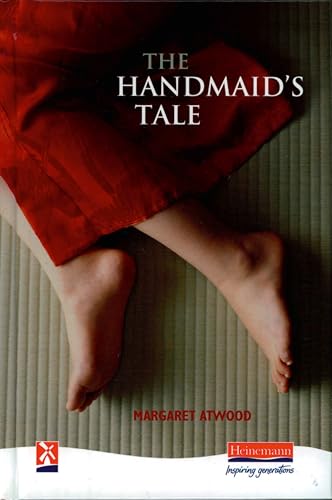
- BookThe Handmaid's Tale · Bookshop.org
The Handmaid's Tale by Margaret Atwood is told in the first person by Offred, who describes her life as a handmaid in a society where women's assets are frozen and almost all women are forbidden to read.

Book links are Bookshop.org affiliate links. Curiate may earn a commission on purchases, at no extra cost to you — Bookshop.org also gives a share to independent bookshops.
Reading paths, built to arrive somewhere
Curiate turns what you are curious about into a short path — a quick lesson on an article, something to watch, and a book to go deep on. Free to browse.