How social conditions shape maternal health
Women's health is an example of population health and is often treated as simply women's reproductive health, though many groups argue for a broader definition encompassing women's overall health.
2 articles, 1 video, 1 book · about 4 hr 9 min of reading and viewing
The reading path
- Readwomen's health · Wikipedia · 60+ min read
In 2013 about 289,000 women (800 per day) in the world died due to pregnancy-related causes. The World Health Organization considers that 99% of these deaths in resource-poor countries, the majority of which occur within 24 hours of childbirth, are preventable if the appropriate infrastructure, training, and facilities were in place. Obstetrical fistulae, including vesicovaginal and rectovaginal fistulae, are among the most serious and tragic near-miss events in pregnancy-related health. They result from prolonged obstructed labor without intervention, when pressure from the fetus restricts blood supply to surrounding tissues, eventually causing fetal death, tissue death and expulsion.
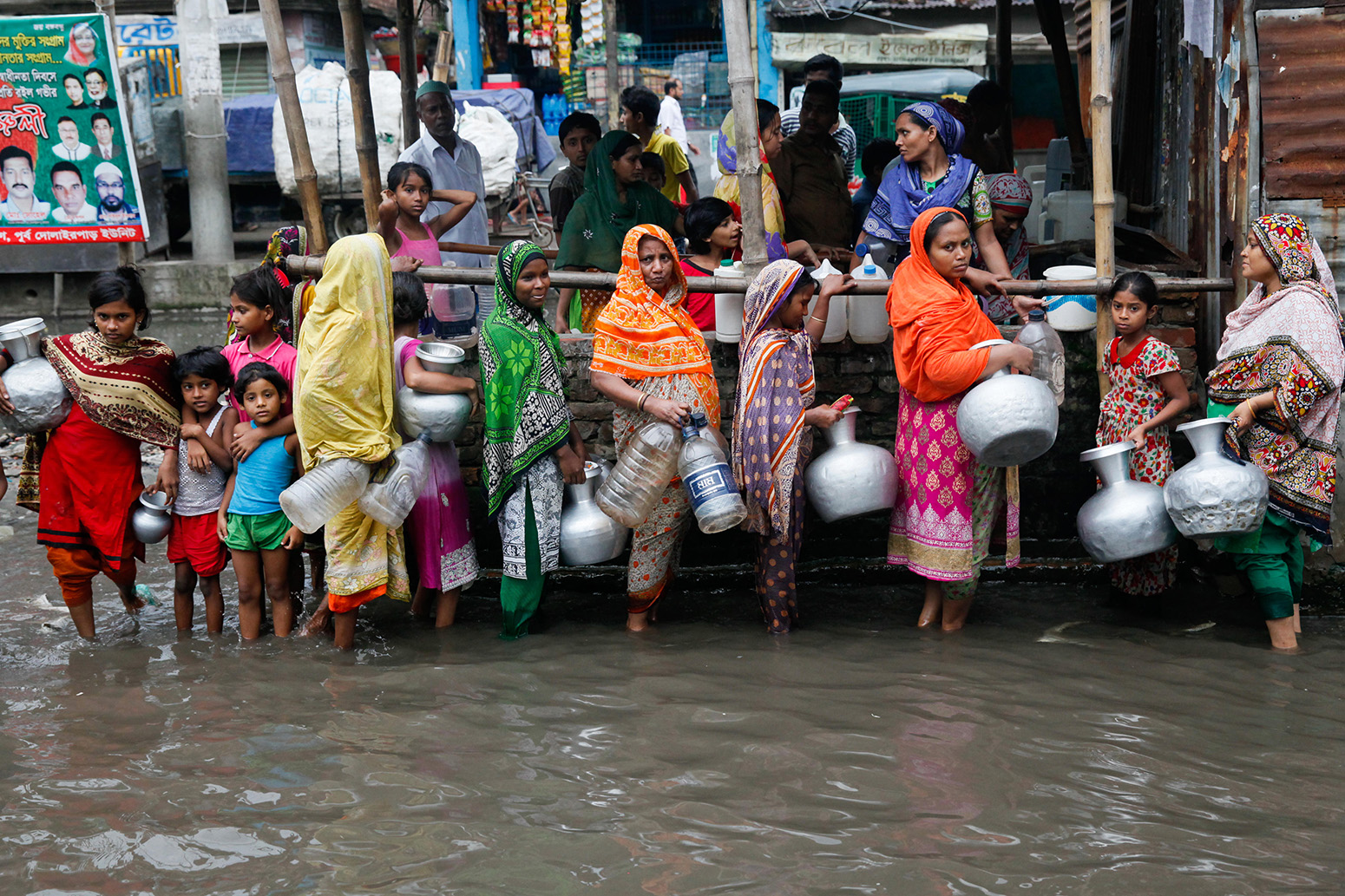
- ReadMapped: How climate change disproportionately affects women's health · Carbon Brief · 17 min read
Van Daalen says climate change exacerbates existing inequalities, often because of societal roles rather than physiological differences. A review of climate and health studies found that pregnant women often face heightened health risks and reduced access to reproductive and maternal care services as a result of climate change impacts.
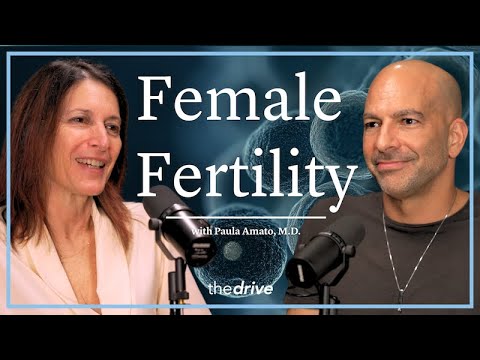
- Watch352 ‒ Female fertility: reproductive health, treating infertility & PCOS, and the IVF process · YouTube · 2 hr 37 min watch
Infertility, PCOS and miscarriage are among the fertility conditions Paula Amato discusses, along with treatments such as IVF and egg freezing.
- BookThe Womanly Art of Breastfeeding · Bookshop.org
The Womanly Art of Breastfeeding is a book published by La Leche League International. It takes a compassionate, empowering view of breastfeeding, emphasizing its emotional and physical aspects.

Book links are Bookshop.org affiliate links. Curiate may earn a commission on purchases, at no extra cost to you — Bookshop.org also gives a share to independent bookshops.
Reading paths, built to arrive somewhere
Curiate turns what you are curious about into a short path — a quick lesson on an article, something to watch, and a book to go deep on. Free to browse.