How marriage constrained women's freedom in the Victorian era
In the Victorian era, women had limited rights, including the inability to vote or sue, and married women had limited property ownership, while more women entered paid work after the Industrial Revolution. What shaped women's freedom within marriage and other constraints, and how can we understand their lives through that tension? The lessons consider how social expectations and economic limits shaped women's choices.
1 article, 1 book · about 48 min of reading and viewing
The reading path
- Readthe lives of women in the victorian era · Wikipedia · 48 min read
Needlework was the single largest paid occupation for women working from home, but the work paid little, and women often had to rent sewing machines if they could not purchase them. By 1906, sweated home-industry workers generally earned about a penny an hour. Victorian women's fashions demanded a narrow waist, achieved by constricting the abdomen with a laced corset. Physicians determined that corsets caused compression of the thorax, restricted breathing, organ displacement, poor circulation, and prolapsed uterus. For women in the Victorian era, Isabella Beeton coined "The Household General" in 1861 in her influential manual Mrs Beeton's Book of Household Management. She compared a household mistress to an army commander or enterprise leader.
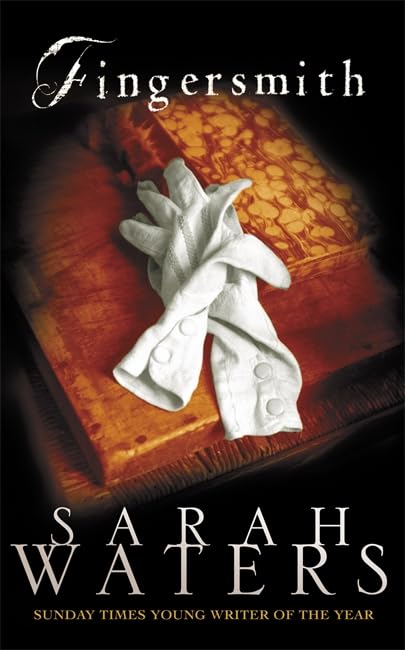
- BookFingersmith · Bookshop.org
Fingersmith is a 2002 historical crime novel set in Victorian-era Britain, written by the Welsh novelist Sarah Waters. The book is notable for its eroticism and depiction of pornography.

Book links are Bookshop.org affiliate links. Curiate may earn a commission on purchases, at no extra cost to you — Bookshop.org also gives a share to independent bookshops.
Reading paths, built to arrive somewhere
Curiate turns what you are curious about into a short path — a quick lesson on an article, something to watch, and a book to go deep on. Free to browse.