Environmental law and biodiversity protection
Environmental law is a continuing source of controversy, and global and regional environmental issues are increasingly the subject of international law. How can law protect biodiversity? By the end, readers will understand how legal rules address harm to wildlife and habitats, manage harvesting, and guide preventive action amid environmental risk.
2 articles, 1 book
The reading path
- Readenvironmental law · Wikipedia
Wildlife laws can protect animals from direct harm and habitat degradation, and similar laws may protect plants. Measures include banning harm to protected species and trafficking in animal parts; tackling illegal wildlife crime also requires international policies and law enforcement such as INTERPOL and EUROPOL. Game laws may restrict harvest days, the number of animals caught per person, species harvested, or weapons and fishing gear used. Such laws may seek to balance preservation and harvest, manage fish and game populations, and provide a legal structure for collecting license fees and harvest information for wildlife management.
- ReadIntroduction to Environmental Law · Lexibal
Precautionary principle is preventive action in the face of environmental risk even without scientific certainty. In Vellore Citizens Welfare Forum v. Union of India (1996), the Supreme Court incorporated the precautionary principle, sustainable development, and the polluter pays principle into Indian law.
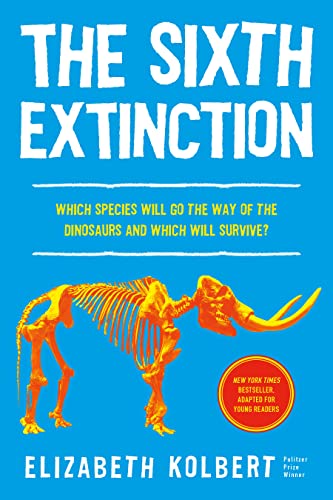
- BookThe Sixth Extinction: An Unnatural History · Bookshop.org
The Sixth Extinction by Elizabeth Kolbert chronicles previous mass extinction events and compares them with accelerated, widespread extinctions in the present, describing species extinguished by humans and the ecologies surrounding these events. This account helps readers understand the scale and ecological context of the losses environmental law addresses.


Book links are Bookshop.org affiliate links. Curiate may earn a commission on purchases, at no extra cost to you — Bookshop.org also gives a share to independent bookshops.
Reading paths, built to arrive somewhere
Curiate turns what you are curious about into a short path — a quick lesson on an article, something to watch, and a book to go deep on. Free to browse.