Ecosystem services in farms, coasts, and forests
Ecosystem services are the various benefits that humans derive from ecosystems, including pollination of crops, clean air and water, decomposition of wastes, and flood control. How can ecosystems support people and how can those benefits be maintained? By the end, readers will understand how habitats, community-led land management, and climate adaptation can help sustain benefits from ecosystems while balancing different needs.
2 articles, 1 book
The reading path
- Readecosystem services · Wikipedia
Wild bees alone could provide partial or complete pollination services in California's agricultural region, or enhance honey bees' services through behavioral interactions, a 2005 study reported. The study also indicated that the proportion of chaparral and oak-woodland habitat available for wild bees within 1 to 2 km of a farm can stabilize and enhance pollination services, and that such habitat functions almost like an insurance policy for farmers. Wetlands and their vegetation retain water and release it slowly, decreasing the likelihood of floods, while mangrove forests protect shorelines from erosion. After the 1999 cyclone that hit India, villages surrounded by mangroves encountered less damage than villages without that protection.
- ReadHelping 'climate-compatible trees' spread their seeds may benefit Europe's forests - Carbon Brief · Carbon Brief
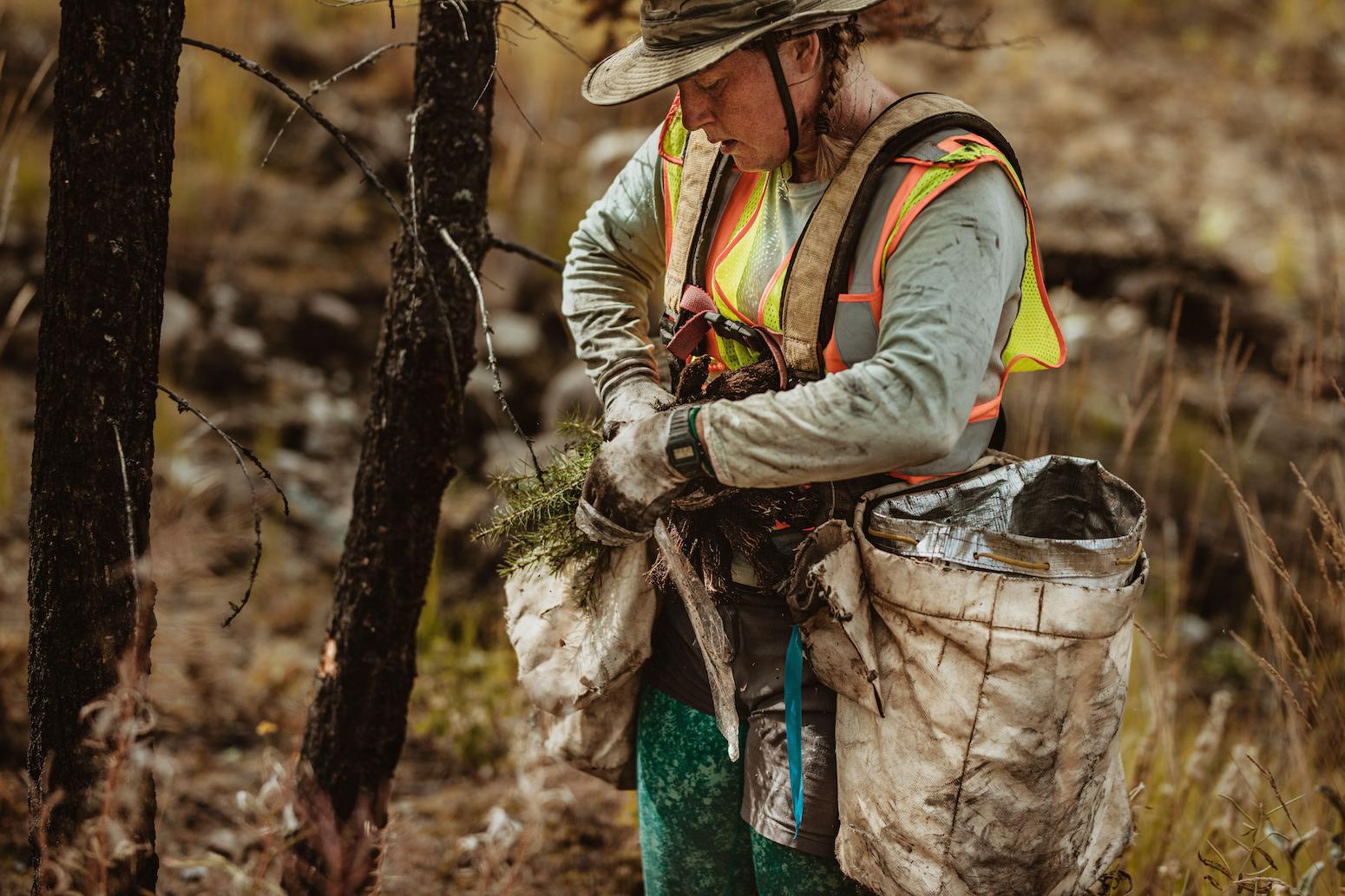
Replacing locally lost tree species with ones better suited to future climates can reduce forest-service losses, but choosing trees for one benefit risks neglecting others such as biodiversity. Under a moderate-emissions scenario, assisted migration could cut Europe's average decline from 15% to 10%; the Mediterranean would still lose approximately one-third of its services. The authors say assisted migration can play a "critical role" in maintaining forest ecosystem services.
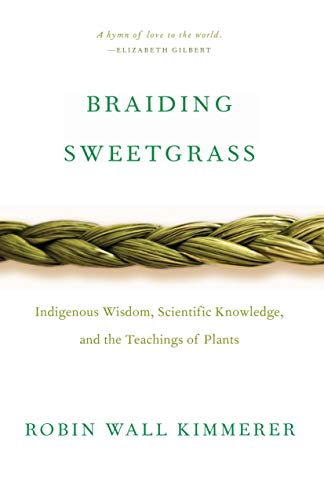
- BookBraiding Sweetgrass: Indigenous Wisdom, Scientific Knowledge, and the Teachings of Plants · Bookshop.org
Braiding Sweetgrass by Robin Wall Kimmerer describes reciprocal relationships between humans and the land, combining Western scientific methods with Native American knowledge about sustainable land stewardship. It connects plant knowledge and stewardship with how people use the land.

Book links are Bookshop.org affiliate links. Curiate may earn a commission on purchases, at no extra cost to you — Bookshop.org also gives a share to independent bookshops.
Reading paths, built to arrive somewhere
Curiate turns what you are curious about into a short path — a quick lesson on an article, something to watch, and a book to go deep on. Free to browse.