How marine conservation sees life as interconnected
Marine conservation, also known as ocean conservation, is the protection and preservation of ecosystems in oceans and seas through planned management to prevent the over-exploitation of marine resources. How do connections among marine life, ecosystems, and people shape conservation? By the end, readers will understand how ecological changes affect both wildlife and livelihoods, and how research, practical measures, and cooperation can help protect them.
2 articles, 1 book
The reading path
- Readmarine conservation · Wikipedia
Up to 88% of coral reefs in Southeast Asia are threatened, and 50% of those reefs are at either "high" or "very high" risk of disappearing. Coral reefs sustain interconnected life by providing food, protection, and shelter for marine animals, while people in Samoa, Indonesia, and the Philippines depend on reefs for food and livelihoods; when fishermen use cyanide and dynamite, further reef decline perpetuates the problem. Educating local communities is one way to stop this cycle. The Asian clam depletes populations of native species such as plankton, changing the San Francisco Bay food web, and clogs pipes and obstructs water flow in electrical generating facilities. The example shows how introduced species can affect connected parts of an ecosystem. A pop-up satellite archival tag tracks large, migratory marine animals by collecting location, depth, temperature, and body-movement data, helping biologists study their habits and survival after catch and release. Turtle excluder devices show how conservation can also account for fishermen: NOAA worked with the shrimp trawling industry to make bars that let shrimp through while rejecting larger animals such as marine turtles.
- Read'Ghost Gear,' or Abandoned Fishing Equipment, Is Haunting the Oceans. Here's How Conservationists Are Fighting Back · Smithsonian Magazine
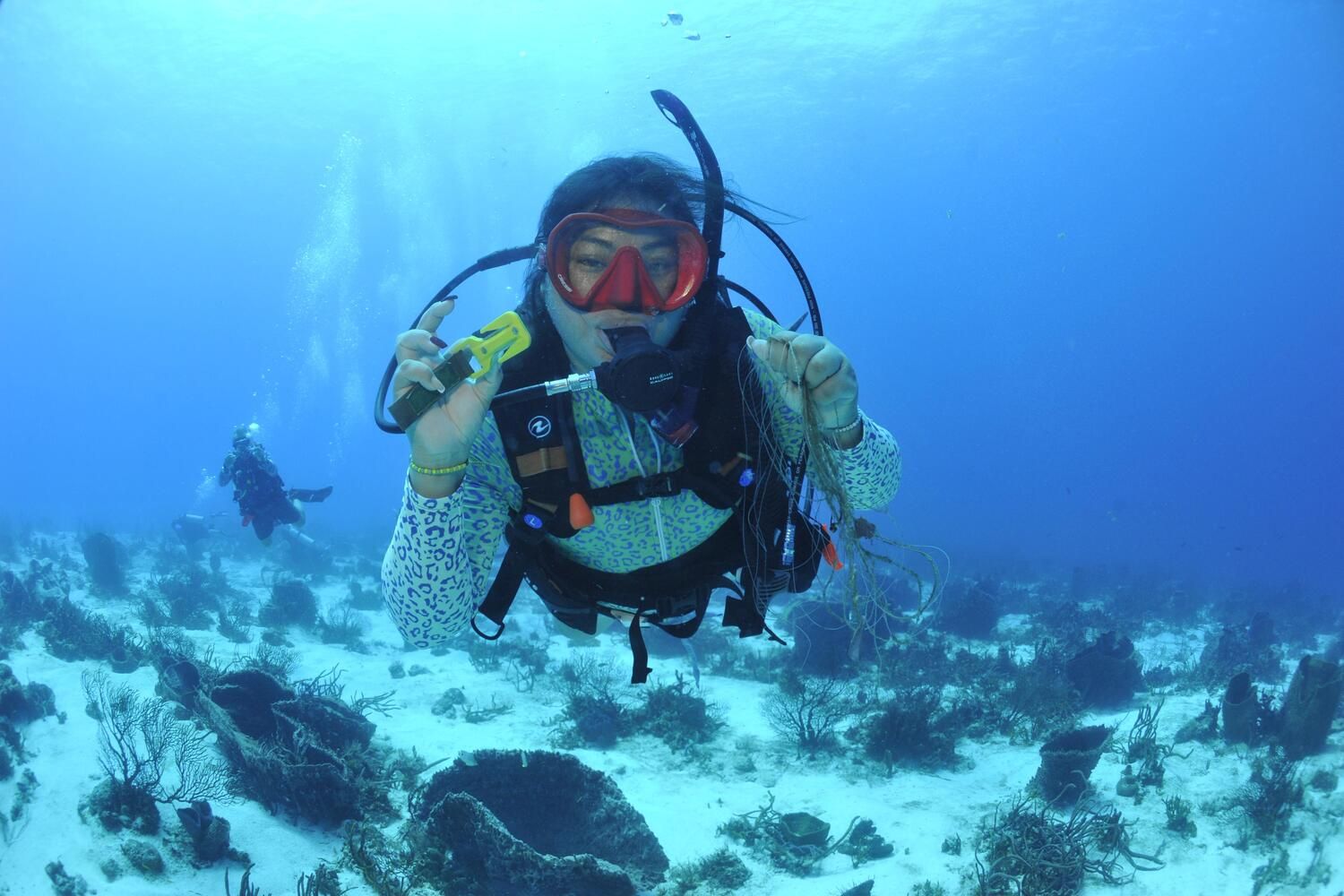
Lost fishing gear can kill animals directly, shed microplastics that enter fish and other creatures, and damage the ecosystems coastal fishers depend on. Because fishers who lose gear may not know how to dive safely to retrieve it, a research center in Cyprus is developing a system for fishers to report losses so divers can remove gear within a few days, alongside community education. The example shows how protecting marine life and livelihoods calls for cooperation.
- BookThe Soul of an Octopus · Bookshop.org
The Soul of an Octopus by Sy Montgomery describes her immersion journalism and friendships with octopuses of strikingly different personalities, revealing what they can teach about the meeting of two very different minds.


Book links are Bookshop.org affiliate links. Curiate may earn a commission on purchases, at no extra cost to you — Bookshop.org also gives a share to independent bookshops.
Reading paths, built to arrive somewhere
Curiate turns what you are curious about into a short path — a quick lesson on an article, something to watch, and a book to go deep on. Free to browse.