Curiate

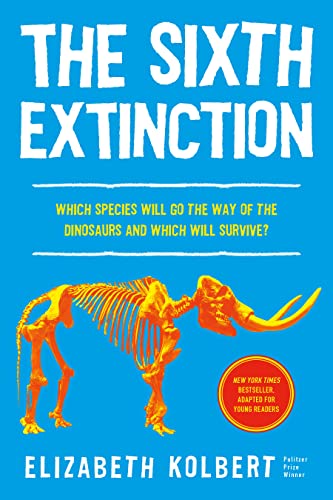
Protecting wildlife and biodiversity

Wildlife conservation protects wild species and their habitats so that populations stay healthy and ecosystems can be restored. These curations cover how habitat protection and population monitoring work, how environmental law addresses biodiversity, and why wilderness needs legal protection, using the Wilderness Act of 1964 as an example.

How wildlife conservation protects species and habitats

Wildlife conservation is the practice of protecting wild species and their habitats to maintain healthy wildlife populations and restore, protect, or enhance natural ecosystems. The lessons answer how protecting habitats, monitoring populations, and addressing conservation challenges can help readers understand efforts to protect wildlife. They connect practical approaches with broader questions about species, ecosystems, and protected areas.

by Curiate·wildlife conservation
How environmental law protects biodiversity

Environmental law addresses environmental issues through international law and agreements, some of which legally bind countries on matters from pollution to wildlife and biodiversity protection. The lessons answer how law can help protect biodiversity and what role it plays in that effort. They consider how legal principles and approaches apply to wildlife, habitats, and conservation.

by Curiate·environmental law

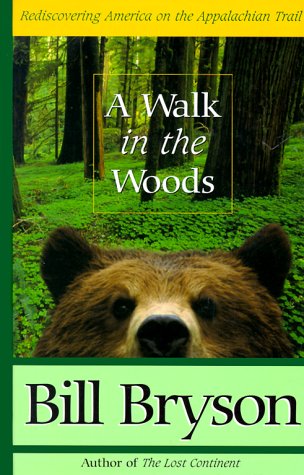
Why wilderness needs legal protection

The Wilderness Act is a federal law that protects federal wilderness and provides a formal way to designate it, and President Lyndon B. Johnson signed it into law in 1964. Why does wilderness need legal protection, and how does the law provide it? The lessons build an understanding of the law's purpose, its standards for wilderness, and how its protections are established and interpreted.

by Curiate·Wilderness Act

Reading paths, built to arrive somewhere

Curiate turns what you are curious about into a short path — a quick lesson on an article, something to watch, and a book to go deep on. Free to browse.

Explore CuriateHow it works