Why wilderness needs legal protection
The Wilderness Act is a federal law that protects federal wilderness and provides a formal way to designate it, and President Lyndon B. Johnson signed it into law in 1964. Why does wilderness need legal protection, and how does the law provide it? The lessons build an understanding of the law's purpose, its standards for wilderness, and how its protections are established and interpreted.
2 articles, 1 video, 1 book · about 25 min of reading and viewing
The reading path
- ReadWilderness Act · Wikipedia · 16 min read
A wilderness area is a portion of public land designated for wilderness protection. When Congress designates each wilderness area, it sets a specific boundary in statutory law, and only Congress can alter the area's protection and boundary. Section 2 of the Wilderness Act justifies and defines what constitutes wilderness. It selects wilderness from existing federal land based on criteria including minimal human imprint, at least five thousand acres, and no commercial enterprises or motorized travel.
- ReadCelebrating an enduring resource and an unfiltered view of nature | Bureau of Land Management · Bureau of Land Management · 4 min read
Howard Zahniser wrote the first draft of the bill that became the Wilderness Act one year after his 1955 essay, The Need for Wilderness Areas. The bill passed in August 1964.
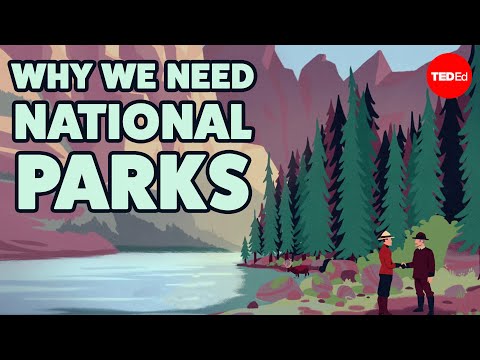
- WatchWho owns the "wilderness"? - Elyse Cox · YouTube · 5 min watch
Creating a national park is a delicate balancing act between public use and ecological preservation. Elyse Cox details that balance.
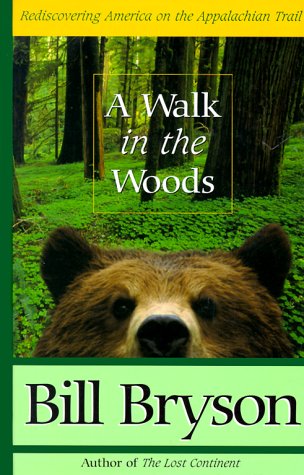
- BookA Walk in the Woods: Rediscovering America on the Appalachian Trail · Bookshop.org
A Walk in the Woods by Bill Bryson chronicles his attempt to thru-hike the Appalachian Trail and discusses its history, ecology, conservation status, and people.


Book links are Bookshop.org affiliate links. Curiate may earn a commission on purchases, at no extra cost to you — Bookshop.org also gives a share to independent bookshops.
Reading paths, built to arrive somewhere
Curiate turns what you are curious about into a short path — a quick lesson on an article, something to watch, and a book to go deep on. Free to browse.