Curiate

Education curations

How people learn, how schools and teachers work, and what makes an idea stick. Quick lessons on learning science, teaching methods and the history of education, with the fuller sources one tap away.

Collections in Education

How attention and memory shape thought in cognitive science

Cognitive science is the interdisciplinary scientific study of the mind and its processes, drawing on fields such as psychology, philosophy, artificial intelligence, neuroscience, linguistics, and anthropology. These lessons help readers understand how attention and memory shape thought. They trace how these processes relate to perception, language, and the ways information is represented.

by Curiate·cognitive science
How historical linguistics traces language diversification

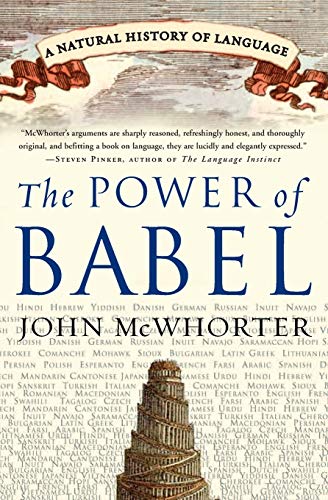
Historical linguistics is the scientific study of how languages change over time, seeking to understand the nature and causes of linguistic change and trace the evolution of languages. The lessons answer how languages diversify over time and help readers understand the processes behind that diversification.

by Curiate·historical linguistics

Public education and racial inequality in the United States

The development of public education in the United States is the history of schooling that was segregated, or even only available, based upon race. How did public schooling reflect and shape racial inequality? By the end, readers will understand how access, resources, and the promise of equal education changed over time.

by Curiate·the development of public education in the united states

Sleep science, memory, and health

Sleep science is the subject of substantial ongoing research into sleep's diverse purposes and mechanisms. How does sleep support memory and health? By the end, readers will understand how sleep timing, sleep quality, and different sleep stages relate to learning and well-being.

by Curiate·sleep science

Gender studies, sexuality, decolonial feminism, and intersectionality

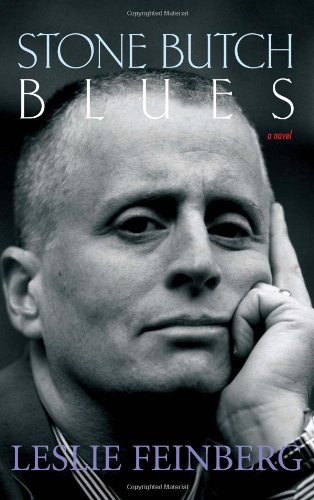
Gender studies is an interdisciplinary field that analyses gender identity and gendered representation, originating in women's studies and its concerns with women, feminism, gender, and politics. These lessons help readers understand how gender connects with sexuality, social circumstances, race, and structures of power. They consider how varied experiences and collective action shape feminist approaches.

by Curiate·gender studies

The sociology of race and Reconstruction's gains and backlash

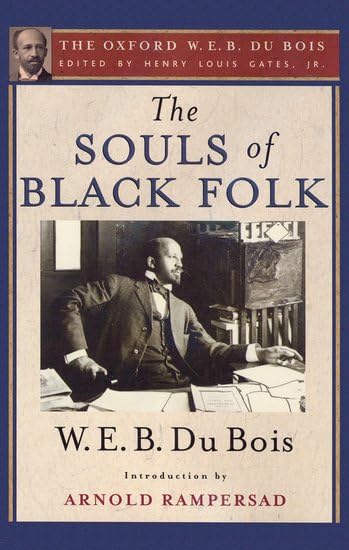
The sociology of race and ethnic relations is the study of social, political, and economic relations between races and ethnicities at all levels of society. How did Reconstruction's gains and backlash shape racial relations? By the end, readers will understand how discrimination, education, political rights, and their reversals shape racial inequality.

by Curiate·the sociology of race

Sociology of education and the reproduction of inequality

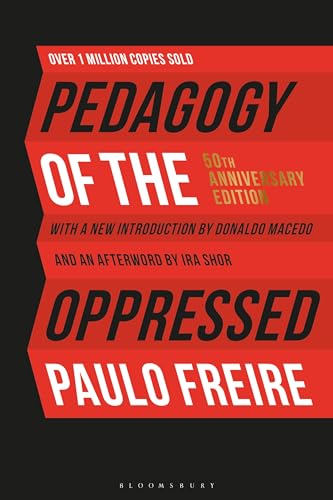
The sociology of education is the study of how public institutions and individual experiences affect education and its outcomes, focusing mostly on public schooling systems in modern industrial societies. How do schooling structures and cultural expectations shape unequal educational outcomes? By the end, readers will understand how research approaches and institutional practices help explain the persistence of inequality.

by Curiate·the sociology of education

How the study of religions resists definition

The study of religion examines religion from historical or scientific perspectives, describing, comparing, interpreting, and explaining it through empirical, historical, and cross-cultural approaches. What makes religion difficult to define, and how can it be understood without imposing a single perspective? The lessons consider how definitions shift and how religious life can be approached across cultures and everyday experience.

by Curiate·the study of religions

Digital literacy, hypertext, and critical reading

Digital literacy is the ability to find, evaluate, and communicate information using digital devices or platforms, and to navigate, evaluate, create, and communicate in digital environments, first defined by Paul Gilster in a book published in 1997. The lessons show how digital skills connect to critical reading and informed choices. They move from practical abilities toward thoughtful engagement with digital content and its responsibilities.

by Curiate·digital literacy

Color theory, mixing and perception

Color theory is a historical body of knowledge describing the behavior of colors in mixing, contrast, harmony, schemes, and symbolism. How do the limits of color mixing and the colors around an object shape what we see? By the end, readers will understand how color models and visual context influence perception and choices in visual communication.

by Curiate·color theory

Reading paths, built to arrive somewhere

Curiate turns what you are curious about into a short path — a quick lesson on an article, something to watch, and a book to go deep on. Free to browse.

Explore CuriateHow it works