Digital literacy, hypertext, and critical reading
Digital literacy is the ability to find, evaluate, and communicate information using digital devices or platforms, and to navigate, evaluate, create, and communicate in digital environments, first defined by Paul Gilster in a book published in 1997. The lessons show how digital skills connect to critical reading and informed choices. They move from practical abilities toward thoughtful engagement with digital content and its responsibilities.
2 articles, 1 book
The reading path
- Readdigital literacy · Wikipedia
Digital literacy has evolved from technical skills and competencies to a broader understanding of interacting with digital technologies. With the rise of file sharing on services such as Napster, an ethics element began to be included in definitions of digital literacy; frameworks also began to include examining power dynamics and becoming a socially responsible community member. Digital literacy may also include the production of multimodal texts. Young people rapidly move through hypertext, linked text that lets readers move between online resources, and are familiar with different kinds of online resources. However, their skills in critically evaluating online content show a deficit. Hypertext consists of traditional text and hyperlinks that send readers to other texts, and these links may enable readers to choose the order in which they read. Educators in favor of digital writing argue that technology fundamentally changes how writing is produced, delivered, and received; composers' decisions about linking and omission raise questions about their responsibilities to the text and objectivity.
- ReadChapter 1: Introduction to Digital Literacy – Digital Citizenship Toolkit · pressbooks.library.torontomu.ca
The concept of the "digital native" has been criticised because it assumes all young people have access to technology, older people have lower digital literacy, and access automatically means knowing how to use it. Experiences and practices contribute to digital identity, which informs practices.
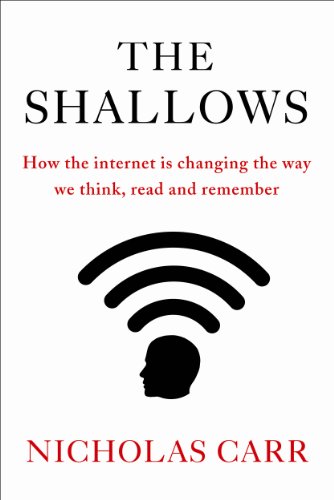
- BookThe Shallows: What the Internet Is Doing to Our Brains · Bookshop.org
The Shallows by Nicholas Carr explores the effects of the Internet on the brain and claims research shows online reading yields lower comprehension than reading a printed page.

Book links are Bookshop.org affiliate links. Curiate may earn a commission on purchases, at no extra cost to you — Bookshop.org also gives a share to independent bookshops.
Reading paths, built to arrive somewhere
Curiate turns what you are curious about into a short path — a quick lesson on an article, something to watch, and a book to go deep on. Free to browse.