Kodak abandoned its first digital camera project out of fear
Kodak engineer Steven Sasson built a handheld digital camera prototype in 1975, but Kodak abandoned its digital camera project out of fear that advances in digital would jeopardize its primary revenue driver, selling film. How do digital cameras differ from film photography, and why did film sales matter so much to Kodak? The Negative by Ansel Adams pairs Adams's photographs with instructive line drawings, giving readers visual material alongside the book's instruction.
3 articles, 1 book
The reading path
- BookThe Negative · Bookshop.org
Kodak introduced Kodachrome, a color reversal film, in 1935, the inexpensive cartridge-based Instamatic in 1963, and the first digital camera in 1975. Kodak abandoned the digital-camera project out of fear that advances in digital would jeopardize its primary revenue driver, selling film. When Kodak embraced digital in the early 2000s, it treated cameras as loss leaders, hoping to use them to sell web and printing services; it lost $60 on each camera sold. That film-era model shaped Kodak's digital push.
- ReadWhatever Happened To Kodak? · SlashGear
Kodak engineer Steven Sasson developed the first battery operated handheld digital camera prototype in 1975 using a monochrome CCD, a type of image sensor, manufactured by Fairchild, an electronics company, with 10,000 pixels. Kodak executives were reluctant to make a strong pivot towards digital technology because it required heavy investment for a very limited market and would put Kodak into direct competition with established computer hardware firms.
- ReadEastman Kodak · Wikipedia
Kodak was slow to capitalize on the digital camera it invented. Sales of Kodak film started a steady decline in the 1990s, and shrinking profits eventually led to losses; the company filed for bankruptcy in January 2012.
- ReadEastman Kodak Company · EBSCO Research Starters
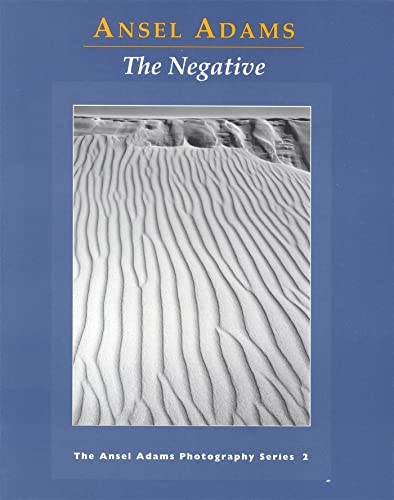
The Negative by Ansel Adams pairs Adams's photographs with instructive line drawings, giving readers visual material alongside the book's instruction.



Book links are Bookshop.org affiliate links. Curiate may earn a commission on purchases, at no extra cost to you — Bookshop.org also gives a share to independent bookshops.
Reading paths, built to arrive somewhere
Curiate turns what you are curious about into a short path — a quick lesson on an article, something to watch, and a book to go deep on. Free to browse.