Curiate

Photography curations

How photographs are made, seen and understood, from the first cameras to the phone in your pocket. Quick lessons on light, composition and the photographers who changed the medium.

Collections in Photography

How tonal choices and visual attention shape monochrome photography

Black and white photography records different amounts of light at each image position, but not different colors, and is mostly used for artistic purposes and certain technical imaging applications. What helps us see and interpret images in monochrome? The lessons consider how tonal choices, image-making methods, and visual attention shape monochrome photography.

by Curiate·black and white photography·1 upvote

When photography as art seemed vulgar

Photography as art, or fine-art photography, is photography created in line with the photographer's vision as an artist, using photography as a medium for creative expression. Its goal is to express an idea, a message, or an emotion. On Photography by Susan Sontag argues that photography has destroyed the boundaries and definitions of art, allowing viewers to approach photographs without expecting to discover what they mean.

by Curiate·photography as art

Fashion photography trends and visual change

Fashion photography is photography that portrays clothing and other fashion items, typically by photographing a dressed model in a studio or outside setting. The lessons answer how its visual language changes and help readers understand the shifts in how fashion is pictured. They consider changing styles, contexts, and approaches to making fashion images.

by Curiate·fashion photography trends

Architectural photography and lived experiences of buildings

Architectural photography is the subgenre of photography focused on capturing aesthetically pleasing and accurate photographs of buildings and similar architectural structures. How do photographs help us understand buildings as lived experiences? By the end, readers will understand how documentation, surroundings, time, and physical presence shape what architectural photographs can reveal and what they cannot.

by Curiate·architectural photography

Kodak abandoned its first digital camera project out of fear

Kodak engineer Steven Sasson built a handheld digital camera prototype in 1975, but Kodak abandoned its digital camera project out of fear that advances in digital would jeopardize its primary revenue driver, selling film. How do digital cameras differ from film photography, and why did film sales matter so much to Kodak? The Negative by Ansel Adams pairs Adams's photographs with instructive line drawings, giving readers visual material alongside the book's instruction.

by Curiate·digital vs. film photography

How Polaroid changed seeing in the 1970s

In the 1970s, Polaroid cameras used self-developing film to make a chemically developed print soon after a picture was taken, building on the company's pioneering consumer-friendly cameras and film. What can instant photography help us understand about how people see? The lessons consider how it changed seeing through photography's uses and creative possibilities.

by Curiate·the cultural impact of the polaroid camera in the 1970s

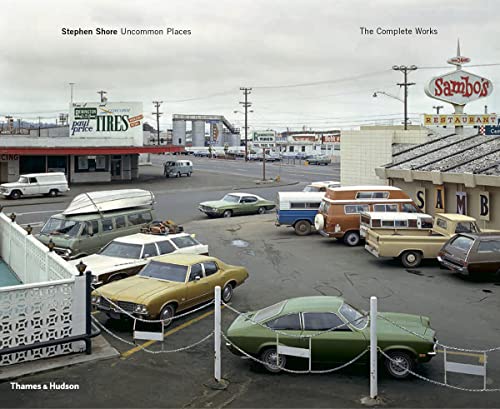
Stephen Shore's photographs of everyday American places

Stephen Shore's photographs show ordinary American streets, car parks, and businesses, with details that can make familiar places newly visible. A review describes Uncommon Places as a diary of a photographic trip, a life geared to making photographs. The path explores commonplace scenes, their subtle strangeness and beauty, and what their details reveal about places and how people use them.

by Curiate·Stephen Shore's photographs of American small towns and roads

How daguerreotypes changed portrait access and costs

The daguerreotype was the first publicly available photographic process, widely used from the 1830s to 1850. How did it shape access to portraits and the experience of having one made? By the end, readers will understand how portrait markets and the costs and practical demands of different photographic processes shaped who could obtain a likeness.

by Curiate·the impact of the daguerreotype on 19th-century society

Cinematography techniques for framing and mood

Cinematography techniques are the art of motion picture and electronic video camera photography, used in science, business, entertainment, and mass communication. How do framing, lighting, and camera movement shape what viewers see and feel? By the end, you will understand how image composition and camera choices guide attention and create mood.

by Curiate·cinematography techniques

How photographic composition guides the eye

Photographic composition is the organization of an artwork, distinct from its subject, what is depicted. How does composition guide the viewer's eye, and what can you understand about its influence on viewing a photograph? The lessons consider how visual arrangement shapes attention and the way an image is experienced.

by Curiate·photographic composition

Caribou and threatened calving grounds in Subhankar Banerjee's photographs

Subhankar Banerjee's photographs of the Arctic National Wildlife Refuge's tundra, caribou and seasons, and the fight over protecting it concern a national wildlife refuge in northeastern Alaska, United States, on traditional Iñupiaq and Gwich'in lands. The refuge covers 19,286,722 acres (78,050.59 km2), and potential oil drilling threatens the Porcupine caribou herd's calving grounds.

by Curiate·Subhankar Banerjee's photographs of the Arctic National Wildlife Refuge's tundra, caribou and seasons, and the fight over protecting it

Karl Blossfeldt's photographs and hidden plant forms

Karl Blossfeldt was a German photographer and sculptor best known for his close-up photographs of plants and living things, published in 1929 as Urformen der Kunst. How did his photographs make overlooked plant forms visible and useful to artists and students? By the end, readers will understand how photographic choices and close observation can reveal the artistic and structural qualities of plants.

by Curiate·Karl Blossfeldt's close-up plant photographs and why they changed how artists see plants

How photographs shape public understanding

Photojournalism is journalism that uses images to tell a news story, with a rigid ethical framework requiring an honest and impartial approach. These lessons answer how photographs shape public understanding and help readers understand their influence on how people see events and society. They trace this role across news, war, social documentary, racial injustice, and images made under constraint.

by Curiate·photojournalism

How photography and social media shape meaning

Photography and social media involves digital photos created by users on technologies that help virtual communities and networks create, share, and gather content. The lessons answer how photographs gain meaning through the choices people make about their presentation. They build an understanding of how images take on meaning in social settings.

by Curiate·photography and social media

Reading paths, built to arrive somewhere

Curiate turns what you are curious about into a short path — a quick lesson on an article, something to watch, and a book to go deep on. Free to browse.

Explore CuriateHow it works