How daguerreotypes changed portrait access and costs
The daguerreotype was the first publicly available photographic process, widely used from the 1830s to 1850. How did it shape access to portraits and the experience of having one made? By the end, readers will understand how portrait markets and the costs and practical demands of different photographic processes shaped who could obtain a likeness.
2 articles, 1 book
The reading path
- Readthe impact of the daguerreotype on 19th-century society · Wikipedia
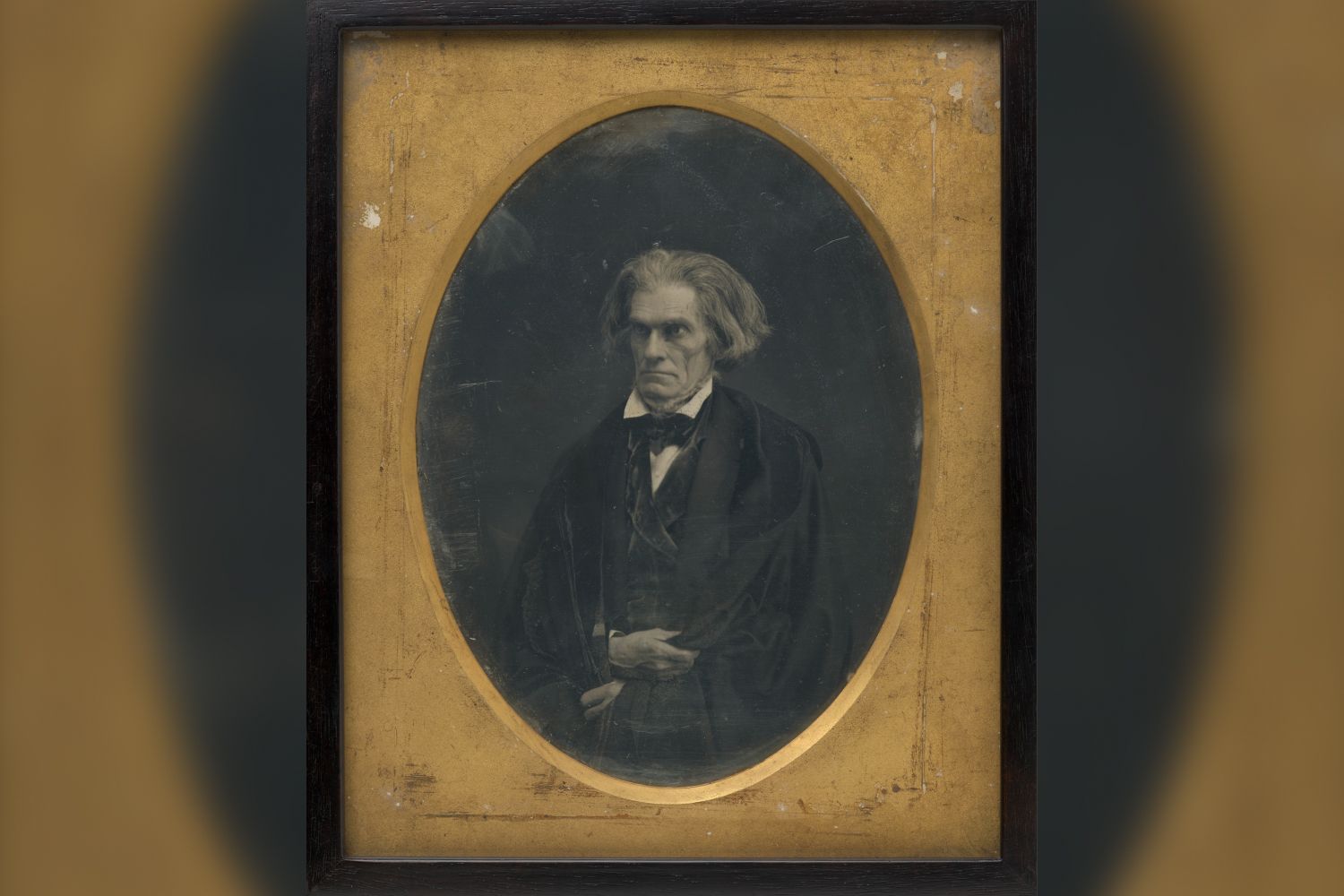
By 1853, an estimated three million daguerreotypes per year were being produced in the United States alone. A flourishing portrait market, largely served by itinerant practitioners, let people of modest means obtain likenesses for a modest cost; some workers saved an entire day's income for a portrait.
- ReadTake a Look at the 'Extraordinary' 19th-Century Portraits Made With Some of the Earliest Methods of Photography · Smithsonian Science
Daguerreotyping required silver-clad plates shipped from France, while tintypes were much cheaper to make and easier to transport, making portraits more accessible. Douglas Nickel, an art historian at Brown University, says daguerreotyping required capital to enter the photographic business; Yechen Zhao, assistant curator of photography and media at the Art Institute of Chicago, says a tintype could be made by "a guy in a tent on the side of the road."
- BookThe Invention of Hugo Cabret · Bookshop.org
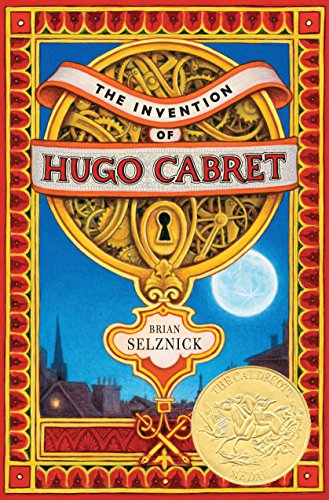
The Invention of Hugo Cabret by Brian Selznick uses the Paris railway station where Georges Méliès sold toys as its setting, and Selznick drew Méliès's real door, columns and other details from the Montparnasse railway station in Paris, France. The book's primary inspiration is the true story of Méliès, a French pioneer filmmaker.

Book links are Bookshop.org affiliate links. Curiate may earn a commission on purchases, at no extra cost to you — Bookshop.org also gives a share to independent bookshops.
Reading paths, built to arrive somewhere
Curiate turns what you are curious about into a short path — a quick lesson on an article, something to watch, and a book to go deep on. Free to browse.