Rural internet access and digital inclusion
The impact of the internet on rural communities is part of the digital divide: inequitable access to and use of digital technology that worsens inequality in access to information and resources. How do connectivity, digital skills, and community resources shape inclusion? By the end, readers will understand how internet access supports participation and connection, and why meaningful inclusion requires more than a connection alone.
2 articles, 1 book
The reading path
- Readthe impact of the internet on rural communities · Wikipedia
Rural areas may have limited or no service, and a connection may be virtually unusable when a provider has limited infrastructure. In Europe, many rural areas in Greece, Croatia, and Cyprus have speeds of less than 60 Mb/s, while metropolitan areas in France and Denmark reach more than 150 Mb/s. Research from 2001 showed that providing equipment alone cannot alleviate the digital divide. Grant programs fund ongoing training for information professionals to develop digital literacy programming in rural communities, from practical use of devices and applications to identifying inaccurate information and disinformation. In 2010, an online indigenous digital library in Durban, South Africa, aimed to narrow the digital divide by giving people access to the resource and involving community members in creating it. Libraries also support digital inclusion in rural and underserved communities through literacy instruction and lending Wi-Fi hotspots, laptops, and tablets, helping address barriers beyond library walls.
- BookThe Circle · Bookshop.org
In quasi-rural Illinois, people without at-home internet described how limited access shaped their sense of community connectedness and disadvantage. The study argues that internet access acts as social infrastructure, supporting social connection; shared internet at a library, school, or workplace no longer provides equal access in a society increasingly dependent on online activity. The researchers focus on small towns and developing suburban pockets, often missing from discussions of the rural-urban divide.
- ReadOffline World: the Internet as Social Infrastructure among the Unconnected in Quasi-Rural Illinois - PMC · pmc.ncbi.nlm.nih.gov
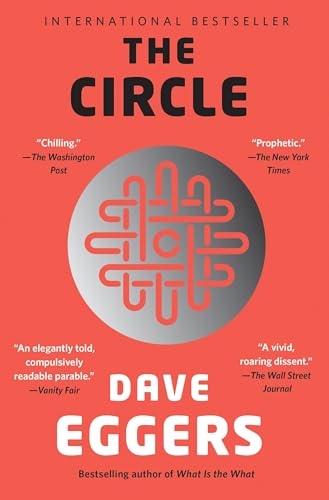
The Circle by Dave Eggers describes a company that combines email, social media, banking, and purchasing in one online identity, while life beyond its campus grows distant. Its suspenseful story raises questions about privacy and democracy, helping readers consider how connected digital systems may affect community life.
Book links are Bookshop.org affiliate links. Curiate may earn a commission on purchases, at no extra cost to you — Bookshop.org also gives a share to independent bookshops.
Reading paths, built to arrive somewhere
Curiate turns what you are curious about into a short path — a quick lesson on an article, something to watch, and a book to go deep on. Free to browse.