Midwives and women's worlds in rural communities
Midwives in rural communities care for people during pregnancy, childbirth and the postpartum period, care for newborns, and support women's sexual and reproductive health throughout life. The lessons answer how midwives' roles connect with women's worlds and what shapes that relationship. They consider care, community and access across different settings.
3 articles, 1 video, 1 book · about 56 min of reading and viewing
The reading path
- ReadThe Availability of Midwifery Care in Rural United States Communities - PMC · pmc.ncbi.nlm.nih.gov · 24 min read
A study of midwifery care in rural United States communities says greater investment in access is needed for pregnant residents of rural communities particularly impacted by urban bias, poverty, and structural racism. Previous research reports that BIPOC rural residents and people in socioeconomically disadvantaged rural communities have limited access to pregnancy-related and birth-related care, including midwifery care and other evidence-based birth support services.
- ReadHow a French Midwife Solved a Public Health Crisis - JSTOR Daily · JSTOR Daily · 9 min read
In some areas, the town midwife was an experienced, revered member of the community. It was insulting for them to be lumped in with ill-qualified practitioners.
- Readthe role of midwives in rural communities · Wikipedia · 17 min read
Country midwives had high literacy rates by the 1660s, remarkable when female literacy was very low during this period.
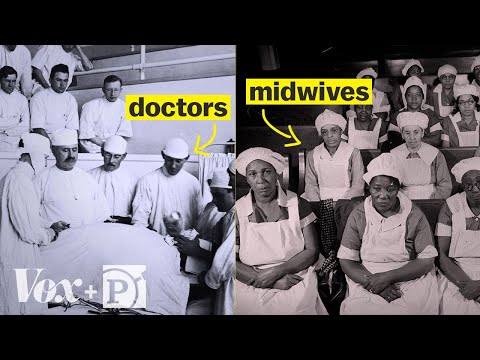
- WatchThe culture war between doctors and midwives, explained · YouTube · 6 min watch
Midwives have been at the center of a culture war in America, one rooted in race and class. The US uses midwives less than other affluent countries do, and the history behind that gap explains differences in maternal health care.
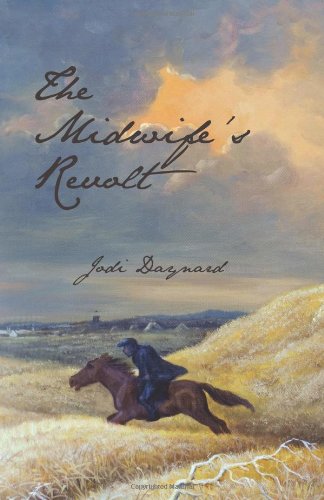
- BookThe Midwife's Revolt · Bookshop.org
The Midwife's Revolt by Jodi Daynard is a novel about Lizzie Boylston, offering a fictional view of women's lives during the American Revolution.


Book links are Bookshop.org affiliate links. Curiate may earn a commission on purchases, at no extra cost to you — Bookshop.org also gives a share to independent bookshops.
Reading paths, built to arrive somewhere
Curiate turns what you are curious about into a short path — a quick lesson on an article, something to watch, and a book to go deep on. Free to browse.