How rural connectivity supports digital inclusion
The internet's impact on rural communities is an unequal ability to access and use digital technology, which deepens inequality in access to information and resources. The lessons answer how rural connectivity and digital inclusion shape people's ability to use the internet. They build understanding of the barriers and support that influence digital participation in rural communities.
2 articles, 1 video, 1 book · about 1 hr 5 min of reading and viewing
The reading path
- Readthe impact of the internet on rural communities · Wikipedia · 56 min read
For rural communities, large cities and towns may have better access to high speed internet than rural areas, which may have limited or no service. Households can be locked into a specific service provider, since it may be the only carrier that even offers service to the area. Research from 2001 showed that the digital divide cannot be alleviated merely by providing the necessary equipment. It includes society's lack of knowledge about using information and communication tools once they exist within a community, and information professionals can help bridge the gap by providing services that help individuals learn to use technologies they can access, regardless of economic status. Libraries support broadband access and digital equity in rural and underserved communities by using existing public infrastructure and partnerships. They also offer digital literacy instruction and lend Wi-Fi hotspots, laptops, and tablets to help address barriers to digital participation.
- ReadIndia plans to build over 1,000 digital villages · Quartz · 2 min read
BharatNet was introduced in 2011 as the National Optic Fibre Network and rechristened in 2015, with a goal of connecting 250,000 gram panchayats by the end of 2016. Of the 61,000 villages served so far, only 7,000 are said to have a working connection. India's Digital Village initiative will provide free wi-fi to 1,050 villages in the next six months, bringing internet access to rural communities. The initiative will also provide avenues for interactive telemedicine and educational sessions.
- WatchWhy 23 million Americans don't have fast internet · YouTube · 7 min watch
Non-competitive cable markets, government funding and infrastructure obstacles have limited high-speed internet expansion in rural America. The video also describes approaches that might help expand access.
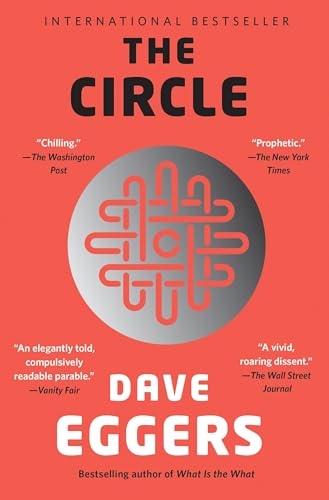
- BookThe Circle · Bookshop.org
The Circle by Dave Eggers describes a company that combines email, social media, banking, and purchasing in one online identity, while life beyond its campus grows distant. Its suspenseful story raises civic concerns about privacy and democracy, and how connected digital systems may affect community life.


Book links are Bookshop.org affiliate links. Curiate may earn a commission on purchases, at no extra cost to you — Bookshop.org also gives a share to independent bookshops.
Reading paths, built to arrive somewhere
Curiate turns what you are curious about into a short path — a quick lesson on an article, something to watch, and a book to go deep on. Free to browse.