Curiate

Technology curations

How the tools we use every day are built, and what they change about work and daily life. Each path pairs quick lessons with the articles, videos and books that explain how the machines and networks behind them work.

Collections in Technology

Artificial intelligence and its early development

The history of artificial intelligence began in antiquity, with myths, stories, and rumors of artificial beings endowed with intelligence by master craftsmen. What could make a machine seem to think? By the end, readers will understand how ideas about machine intelligence and computational problem-solving helped establish artificial intelligence as a field.

by Curiate·the development of artificial intelligence in the 1950s·2 upvotes
Rural internet access and digital inclusion

The impact of the internet on rural communities is part of the digital divide: inequitable access to and use of digital technology that worsens inequality in access to information and resources. How do connectivity, digital skills, and community resources shape inclusion? By the end, readers will understand how internet access supports participation and connection, and why meaningful inclusion requires more than a connection alone.

by Curiate·the impact of the internet on rural communities·2 upvotes

How information becomes computation in computer science

Computer science is the study of computation, information, and automation, and of what can and cannot be automated. The lessons answer how information becomes computation and help readers understand what computation can do and what it requires. They connect ideas about information, logic, and the levels at which instructions are carried out.

by Curiate·computer science·1 upvote

How digital media reshapes storytelling

Technology lets stories combine images, moving pictures, sound, text and interactive features, sometimes allowing audiences to choose their way through and changing how authors and audiences experience them. What shapes how digital media communicates stories, and how can readers understand its effects on storytelling? The lessons consider how connected media, learning settings and choices about audience shape the ways stories convey ideas.

by Curiate·the impact of technology on storytelling·1 upvote

How computer networking connects people and computers

Computer networking is a group of computers and peripherals called hosts that exchange data using communication protocols and networking hardware. What connects people and computers through networks, and how can you understand the ways those connections are made? The lessons build a general understanding of how networks link devices and support communication.

by Curiate·computer networking·1 upvote

How artificial intelligence reshapes traditional industries

Artificial intelligence affects traditional industries through computational systems that perform tasks usually associated with human intelligence, and AI research was founded at a workshop at Dartmouth College in 1956. The lessons answer how AI's power can be balanced with human control. They consider how this balance matters across established industries and the decisions made within them.

by Curiate·the impact of artificial intelligence on traditional industries·1 upvote

AI ethics and harms from algorithmic bias

The ethics of artificial intelligence concerns topics within AI with particular ethical stakes, including machine ethics, AI safety and alignment, and existential risks. These lessons help readers understand how algorithmic bias causes harm and why its effects can be difficult to detect. They consider how bias can arise in data, system design, and use, and how it can shape outcomes over time.

by Curiate·the ethics of artificial intelligence·1 upvote

Mosaic displayed images inline with text

In 1989, British scientist Tim Berners-Lee invented the World Wide Web while working at CERN, to meet scientists' demand for automated sharing of information. How did a tool built for researchers become something the general public used during the 1990s? In Snow Crash by Neal Stephenson, readers meet Hiro Protagonist searching for a computer virus striking hackers, linking virtual identity with online threats.

by Curiate·the early days of the internet in the 1990s

The evolution of 1980s cyberpunk literature

The evolution of cyberpunk literature in the 1980s concerns cyberpunk, a science fiction subgenre set in a dystopian future and characterized by a combination of "lowlife and high tech"; William Gibson's influential debut novel Neuromancer, released in 1984, helped solidify it as a genre.

by Curiate·the evolution of cyberpunk literature in the 1980s

How internet of things reshapes industry and society

The internet of things describes physical objects with technologies that connect and exchange data over networks, best known to consumers through smart home products, though its largest applications are in business and industry. The lessons answer how IoT reshapes industry and society, helping readers understand its effects across connected systems and everyday life.

by Curiate·internet of things

Robotics, sensing, movement, and learning

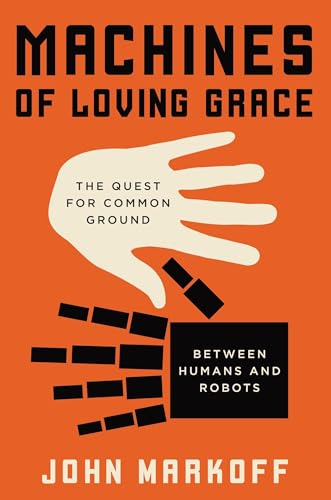
Robotics is the interdisciplinary study and practice of designing, constructing, operating, and using robots. How can robots sense their surroundings, move, and learn to perform tasks? By the end, readers will understand how sensing and movement support robots' interaction with the world, and how learning can shape their behavior.

by Curiate·robotics

Data privacy laws and individual rights

Data privacy laws provide a legal framework for obtaining, using, and storing natural persons' data. How do these laws recognize privacy rights while regulating data collection and processing? By the end, readers will understand how privacy protections and organizational responsibilities fit together.

by Curiate·data privacy laws

Quantum computing and algorithmic speedups

Quantum computing represents and processes information using quantum states, exploiting phenomena such as superposition, interference, and entanglement. How can quantum algorithms promise speedups, and what will those gains mean for understanding which calculations quantum computers may handle faster? The lessons connect algorithmic speedups with the broader question of how quantum and classical approaches compare.

by Curiate·quantum computing

Cybersecurity vulnerabilities and how intruders exploit them

Cybersecurity is the part of information security focused on protecting computer software, systems, and networks from threats that can expose, steal, damage, or disrupt them. What vulnerabilities do intruders exploit, and how can people understand and address those weaknesses? The lessons connect attacks on software and communications with the challenges of finding vulnerabilities and keeping pace with changing threats.

by Curiate·cybersecurity

The personal computing revolution and making computers personal

The personal computing revolution in the 1970s was the advent of personal computers, designed for personal use; the term "home computer" was also used, primarily in the late 1970s and 1980s. How did computers move from costly, specialized machines toward personal use? By the end, readers will understand how different designs and practical trade-offs shaped the possibilities for individuals to use computers.

by Curiate·the personal computing revolution in the 1970s

Virtual reality experiences and the feeling of presence

Virtual reality experiences are used in entertainment, education, research, and business. How do sensory cues and immersive design make virtual worlds feel real? By the end, readers will understand how different forms of immersion shape presence, emotion, and responses to what people experience.

by Curiate·virtual reality experiences

Hacker culture of the 1980s and playful cleverness

The hacker culture of the 1980s is a subculture of individuals who enjoy, often in collective effort, the intellectual challenge of creatively overcoming the limitations of software systems or electronic hardware (mostly digital electronics), to achieve novel and clever outcomes. The hacker culture originally emerged in academia in the 1960s around the Massachusetts Institute of Technology (MIT)'s Tech Model Railroad Club (TMRC) and MIT Artificial Intelligence Laboratory.

by Curiate·the hacker culture of the 1980s

Open source software, collaboration and governance

Open-source software (OSS) is computer software released under a license allowing users to use, study, modify, and distribute it to anyone for any purpose. How do licensing, collaboration, and contributor communities shape open source software? By the end, readers will understand how legal rules, development practices, and social settings influence its evolution.

by Curiate·open source software

Deregulation fueled a telecom buildout that outran demand

In the five years after the 1996 Telecommunications Act became law, telecom companies invested more than $500 billion in fiber-optic cable, switches, and wireless networks. How did deregulation and internet growth encourage this buildout, and why did competition make returns uncertain as capacity outstripped demand? The impact of the telecommunications boom in the 1990s was a stock market bubble that developed during the late 1990s and peaked on March 10, 2000. The Master Switch by Tim Wu traces how radio, telephone, television, and film began free and open before battles for domination and capture by monopolies or cartels.

by Curiate·the impact of the telecommunications boom in the 1990s

Augmented reality applications in learning and translation

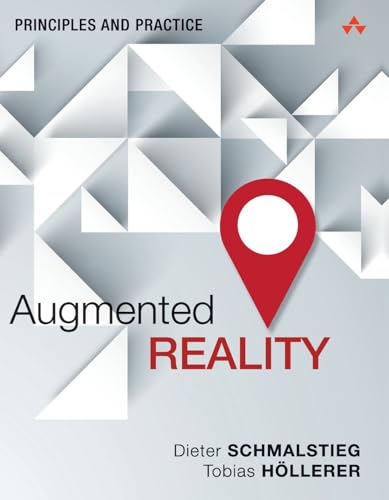
Augmented reality applications are experiences first introduced commercially in entertainment and gaming businesses; frameworks include ARKit and ARCore, and commercial headsets include the Magic Leap 1 and HoloLens. How can AR support learning and make unfamiliar language understandable? By the end, readers will understand how digital content can respond to a person's needs and surroundings within a physical setting.

by Curiate·augmented reality applications

Reading paths, built to arrive somewhere

Curiate turns what you are curious about into a short path — a quick lesson on an article, something to watch, and a book to go deep on. Free to browse.

Explore CuriateHow it works