Data privacy laws and individual rights
Data privacy laws provide a legal framework for obtaining, using, and storing natural persons' data. How do these laws recognize privacy rights while regulating data collection and processing? By the end, readers will understand how privacy protections and organizational responsibilities fit together.
2 articles, 1 book
The reading path
- Readdata privacy laws · Wikipedia
Sweden's 1973 Data Act criminalized data theft, and Germany's 1978 German Federal Data Protection Act established basic data protection standards, including consent for processing personal data. In 2016, the European Union passed the GDPR, or General Data Protection Regulation, which emphasizes accountability, consent, and security; the precedent has remained "the right to be left alone."
- BookThe Age of Surveillance Capitalism · Bookshop.org
China's Personal Information Protection Law (PIPL), effective from November 1, 2021, emphasizes individual consent, rights, and transparency in data processing. Its focus on protections for individuals alongside rules for processing data is vivid in its comparison to the EU GDPR, which has similar scope and many similar provisions. PIPEDA recognizes individuals' privacy rights while setting rules for organizations' collection, use, and disclosure of personal information. It requires organizations to obtain consent before handling that information and to collect it in reasonable, appropriate, and lawful ways.
- ReadA Brief History of Data Privacy Laws | Accountable · AccountableHQ
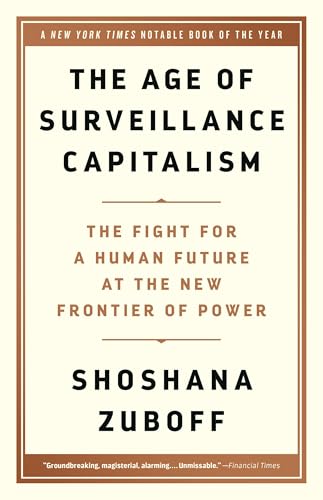
The Age of Surveillance Capitalism by Shoshana Zuboff argues that surveillance capitalism "unilaterally claims human experience as free raw material" for behavioural data and prediction products.

Book links are Bookshop.org affiliate links. Curiate may earn a commission on purchases, at no extra cost to you — Bookshop.org also gives a share to independent bookshops.
Reading paths, built to arrive somewhere
Curiate turns what you are curious about into a short path — a quick lesson on an article, something to watch, and a book to go deep on. Free to browse.