Artificial intelligence and its early development
The history of artificial intelligence began in antiquity, with myths, stories, and rumors of artificial beings endowed with intelligence by master craftsmen. What could make a machine seem to think? By the end, readers will understand how ideas about machine intelligence and computational problem-solving helped establish artificial intelligence as a field.
2 articles, 1 book
The reading path
- Readthe development of artificial intelligence in the 1950s · Wikipedia
Alan Turing, a researcher who seriously investigated the theoretical possibility of machine intelligence, published "Computing Machinery and Intelligence" in 1950. He proposed that a machine that could hold a teleprinter conversation indistinguishable from one with a human could reasonably be called "thinking," making a "thinking machine" plausible.
- BookMachines of Loving Grace: The Quest for Common Ground Between Humans and Robots · Bookshop.org
Allen Newell and Herbert A. Simon developed programs including the Logic Theorist and General Problem Solver, among the first to mimic human problem-solving with computational methods. The term "artificial intelligence" was coined in a workshop proposal, and the Dartmouth Conference in July and August 1956 is generally considered the official birthdate of the field.
- ReadThe History of Artificial Intelligence | IBM · ibm.com
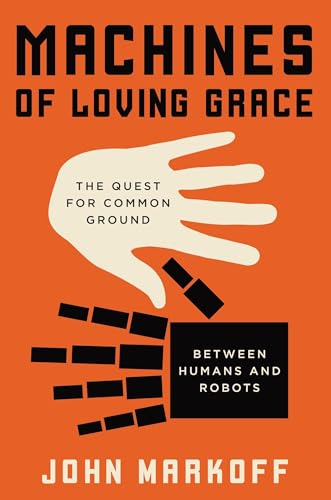
Machines of Loving Grace by John Markoff chronicles automation from the birth of the artificial intelligence and intelligence augmentation communities in the 1950s to the modern day, tracing how developers addressed the relationship between humans and computers and urging them to consider the consequences of their work.


Book links are Bookshop.org affiliate links. Curiate may earn a commission on purchases, at no extra cost to you — Bookshop.org also gives a share to independent bookshops.
Reading paths, built to arrive somewhere
Curiate turns what you are curious about into a short path — a quick lesson on an article, something to watch, and a book to go deep on. Free to browse.