Emotional Intelligence and Everyday Relationships
Emotional intelligence is the ability to perceive, use, understand, manage, and handle emotions, and the term gained popularity in Daniel Goleman's 1995 bestselling book. The lessons answer how emotional intelligence relates to relationships, learning, work, and other abilities. They build a general understanding of how emotions are perceived and managed, and how emotional intelligence connects with everyday life.
3 articles, 1 video, 1 book · about 49 min of reading and viewing
The reading path
- Reademotional intelligence · Wikipedia · 35 min read
The ability-based model says emotional intelligence includes perceiving emotions: detecting and deciphering emotions in faces, pictures, voices, and cultural artifacts, including one's own. Perceiving emotions makes all other processing of emotional information possible. A review in the Annual Review of Psychology in 2008 found emotional intelligence positively correlated with social relations, academic achievement, negotiation skills, workplace social dynamics, positive perceptions by other people, health and wellbeing. However, once IQ is taken into account, emotional intelligence does not generally result in higher grades. Trait EI is an individual's self-perceptions of their emotional abilities, as defined by Konstantinos V. Petrides, who proposed the trait-based model, as "a constellation of emotional self-perceptions located at the lower levels of personality". This model of emotional intelligence encompasses behavioral dispositions and self-perceived abilities.
- ReadThe Dark Side of Emotional Intelligence · Greater Good Magazine · 3 min read
In a study, participants reported how often they had behaved badly toward co-workers, and researchers measured how motivated they were to manipulate others for personal gain. Those with stronger Machiavellian impulses were more likely to treat others poorly, especially if they were skilled at regulating their emotions.
- ReadResearchers Map Emotional Intelligence in the Brain - Neuroscience News · Neuroscience News · 3 min read
The study of 152 Vietnam veterans with combat-related brain injuries found significant overlap between general intelligence and emotional intelligence, both in behavior and in the brain. Higher scores on general intelligence tests corresponded significantly with higher performance on emotional intelligence measures, and many of the same brain regions were important to both.
- WatchDaniel Goleman: The 4 domains of emotional intelligence | Daniel Goleman for Big Think+ · YouTube · 8 min watch
Daniel Goleman outlines four domains of emotional intelligence and 12 competencies associated with high emotional intelligence. The domains include self-awareness, managing emotions, social awareness, and empathy, which relate to understanding yourself and others and building effective relationships.
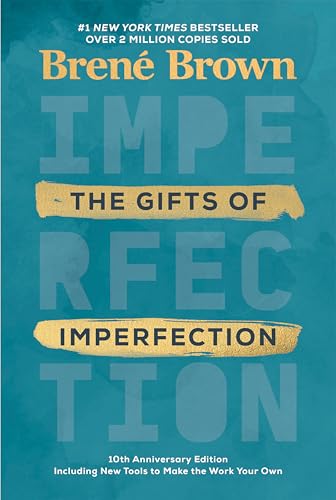
- BookThe Gifts of Imperfection · Bookshop.org
The Gifts of Imperfection by Brené Brown argues that real authenticity and love come from within.



Book links are Bookshop.org affiliate links. Curiate may earn a commission on purchases, at no extra cost to you — Bookshop.org also gives a share to independent bookshops.
Reading paths, built to arrive somewhere
Curiate turns what you are curious about into a short path — a quick lesson on an article, something to watch, and a book to go deep on. Free to browse.