How parents shape emotional development in childhood
Childhood development is the biological, psychological, and emotional change people experience from birth through adolescence, shaped by interactions among inherited processes, surroundings, and learning. What role do parents play in shaping children's emotional development, and how can readers understand that influence? The lessons connect close relationships, parenting practices, and wider environments to children's emotional growth.
2 articles, 1 video, 1 book · about 1 hr 46 min of reading and viewing
The reading path
- Readchildhood development · Wikipedia · 60+ min read
Attachment theory, originating in the work of John Bowlby and developed by Mary Ainsworth, provides a framework for understanding interpersonal relationships. Bowlby's observations led him to believe that close emotional bonds between an infant and their primary caregiver were important for "normal social and emotional development" in childhood. The amount of time mothers spent with their children and the quality of their interactions are important for children's trait emotional intelligence, and are likely to promote modeling, reinforcement, shared attention, and social cooperation. Ecological systems theory describes childhood development through four nested environmental systems, the microsystem, mesosystem, exosystem, and macrosystem, with bi-directional influences within and between them. Each system contains roles, norms, and rules that can powerfully shape development.
- ReadChild's Play - JSTOR Daily · JSTOR Daily · 4 min read
In one experiment, parents received weekly hourlong home visits from a trained researcher who encouraged active play, such as reading picture books, singing songs, and playing peekaboo. Their children did better throughout childhood on tests of IQ, aggressive behavior, and self-control, and Paul Tough's takeaway is that effective parenting can be as much about emotional tone as content.
- WatchRousseau's 5 Stages of Child Development · YouTube · 6 min watch
In Emile, Rousseau lays out five stages of education, from childhood through adulthood. He understood children's growth as the development of character, reasoning and sentiment.
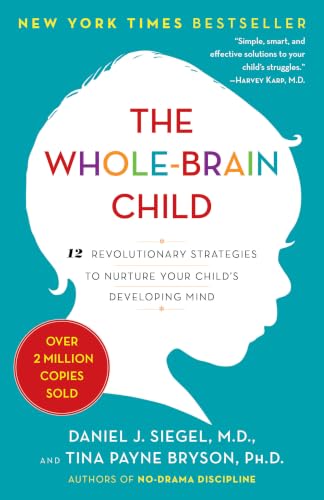
- BookThe Whole-Brain Child · Bookshop.org
The Whole-Brain Child by Daniel J. Siegel describes practical strategies for integrating different brain functions to nurture a child's developing mind and foster emotional intelligence and resilience.


Book links are Bookshop.org affiliate links. Curiate may earn a commission on purchases, at no extra cost to you — Bookshop.org also gives a share to independent bookshops.
Reading paths, built to arrive somewhere
Curiate turns what you are curious about into a short path — a quick lesson on an article, something to watch, and a book to go deep on. Free to browse.