How software development methodologies move from phases to sprints
Software development methodologies are ways to classify processes or provide blueprints for how engineers move a system through its development life cycle. The lessons answer how development can be organized from life cycle phases into iterative work. They build an understanding of how different approaches shape the progression of software development.
2 articles, 1 book · about 23 min of reading and viewing
The reading path
- Readsoftware development methodologies · Wikipedia · 9 min read
In software development methodologies, the Capability Maturity Model Integration (CMMI) is one of the leading models and is based on best practices. Independent assessments grade organizations on how well they follow their defined processes, not on the quality of those processes or the software produced. The SDLC approach to software development methodologies is "to pursue the development of information systems in a very deliberate, structured and methodical way, requiring each stage of the life cycle, from the inception of the idea to delivery of the final system, to be carried out rigidly and sequentially" within the context of the framework being applied.
- ReadSoftware Development Methodologies: 8 Models Compared (2026 Guide) · Idealogic · 14 min read
Software development methodologies are operational frameworks that sequence, batch, and govern work across the software development life cycle, defining how requirements are scoped, how often code ships to production, and how quickly user feedback alters the roadmap. In 2026, engineering organizations select from eight operating models, including Scrum, Kanban, the regulated V-Model, and AI-native spec-driven development.
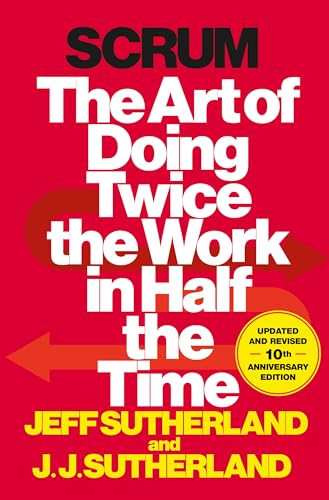
- BookScrum: The Art of Doing Twice the Work in Half the Time · Bookshop.org
Jeff Sutherland's Scrum describes how teams break work into goals for completion within time-boxed iterations called sprints.

Book links are Bookshop.org affiliate links. Curiate may earn a commission on purchases, at no extra cost to you — Bookshop.org also gives a share to independent bookshops.
Reading paths, built to arrive somewhere
Curiate turns what you are curious about into a short path — a quick lesson on an article, something to watch, and a book to go deep on. Free to browse.