Music education methodologies and approaches to teaching
Music education methodologies are distinctive approaches to teaching music, some of which had widespread impact. This path helps readers understand how music teaching can connect with learners' interests and experiences, and explores themes including movement, listening, cultural knowledge, and creative participation.
3 articles, 1 book · about 56 min of reading and viewing
The reading path
- Readmusic education methodologies · Wikipedia · 50 min read
The Dalcroze method in music education uses solfège, improvisation, and eurhythmics. Eurhythmics, sometimes called "rhythmic gymnastics," teaches rhythm, structure, and musical expression through movement. In music education methodologies, world music pedagogy advocates using culture-bearers and deep, continued listening to archived resources such as Smithsonian Folkways Recordings. Orff Schulwerk music education uses instruments Carl Orff developed, including modified glockenspiels, xylophones, metallophones, drums, and other percussion instruments. Each bar can be removed to form different scales.
- ReadMusic Education and the Birth of Motown - JSTOR Daily · JSTOR Daily · 2 min read
In elementary school in the late 1940s and early '50s, Smokey Robinson joined a writing club where he worked on his songwriting, creating lyrics for songs in school plays. Many kids who sang in the streets were also learning about music and being recognized for their talent in school, connecting music education with music they cared about.
- ReadOPINION: What's missing in music education? Cultural and social relevance · Hechinger Report · 4 min read
For culturally responsive music education, students write and record the music they practice, rather than just playing it at a holiday or end-of-year concert. The approach means teaching music where kids are and with what interests them.
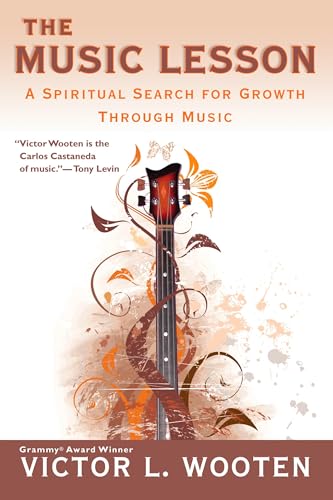
- BookThe Music Lesson: A Spiritual Search for Growth Through Music · Bookshop.org
The Music Lesson by Victor L. Wooten presents insights on music education through a fictional narrative, emphasizing creativity, intuition, and personal growth.


Book links are Bookshop.org affiliate links. Curiate may earn a commission on purchases, at no extra cost to you — Bookshop.org also gives a share to independent bookshops.
Reading paths, built to arrive somewhere
Curiate turns what you are curious about into a short path — a quick lesson on an article, something to watch, and a book to go deep on. Free to browse.