The personal computing revolution and making computers personal
The personal computing revolution in the 1970s was the advent of personal computers, designed for personal use; the term "home computer" was also used, primarily in the late 1970s and 1980s. How did computers move from costly, specialized machines toward personal use? By the end, readers will understand how different designs and practical trade-offs shaped the possibilities for individuals to use computers.
2 articles, 1 book
The reading path
- Readthe personal computing revolution in the 1970s · Wikipedia
A 1960s minicomputer was the size of a refrigerator and cost tens of thousands of dollars; usually, it printed output on paper. Wozniak designed the Apple I to plug into any home TV and use nearly any computer keyboard, and Steve Jobs, his friend who encouraged him to co-found Apple Computer, called their personal computer "a bicycle for the mind." The Apple I sold for only $666.66.
- ReadSteve Wozniak's Apple I Booted Up a Tech Revolution · Smithsonian Magazine
Graphical user interface is a way to interact with a computer through visual elements; the 1973 Xerox Alto had one, inspiring Apple's Macintosh and Microsoft's Windows, and showed a different path for personal computing, though its parts were too expensive for it to be commercialized. By the mid-1970s, some microprocessor-based personal computers were sold in kit form, mostly attracting hobbyists and technicians, and practical use could require terminals or expansion cards.
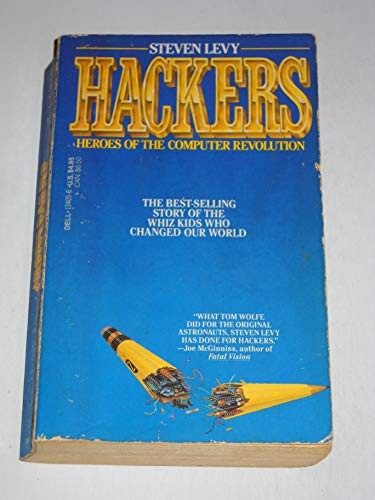
- BookHackers: Heroes of the Computer Revolution · Bookshop.org
Hackers by Steven Levy describes how people who tweaked code were seen as marginal outsiders and how attitudes toward hackers changed, while noting that "the hacker ethic" is alive and well in the Internet age.


Book links are Bookshop.org affiliate links. Curiate may earn a commission on purchases, at no extra cost to you — Bookshop.org also gives a share to independent bookshops.
Reading paths, built to arrive somewhere
Curiate turns what you are curious about into a short path — a quick lesson on an article, something to watch, and a book to go deep on. Free to browse.