Hacker culture of the 1980s and playful cleverness
The hacker culture of the 1980s is a subculture of individuals who enjoy, often in collective effort, the intellectual challenge of creatively overcoming the limitations of software systems or electronic hardware (mostly digital electronics), to achieve novel and clever outcomes. The hacker culture originally emerged in academia in the 1960s around the Massachusetts Institute of Technology (MIT)'s Tech Model Railroad Club (TMRC) and MIT Artificial Intelligence Laboratory.
2 articles, 1 book · about 27 min of reading and viewing
The reading path
- Readthe hacker culture of the 1980s · Wikipedia · 25 min read
In the programmer subculture of hackers, a computer hacker is a person who enjoys designing software and building programs with a sense for aesthetics and playful cleverness. The MIT Tech Model Railroad Club Dictionary defined "hack" in 1959 as "an article or project without constructive end," among other meanings, and "hacker" as "one who hacks, or makes them". Picking a difficult lock has hack value; smashing it does not. Activities of playful cleverness can be said to have "hack value," and early examples included pranks at MIT by students demonstrating technical aptitude and cleverness, linking playful computing to hacker culture. Home computer hacking grew out of hobbyist home computing of the late 1970s, starting with the MITS Altair, and its roots go back to amateur radio enthusiasts. The Homebrew Computer Club was an influential organization.
- ReadA Brief History of Hackerdom · catb.org · 2 min read
From 1945 onward, computing attracted many of the world's brightest and most creative minds. From Eckert and Mauchly's first ENIAC computer onward, a more or less continuous and self-conscious technical culture of enthusiast programmers built and played with software for fun.
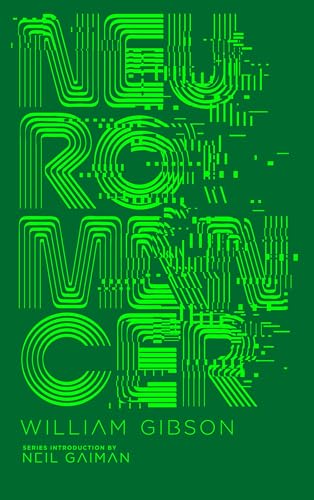
- BookNeuromancer · Bookshop.org
Neuromancer by William Gibson describes Case as a data-thief in the matrix whose nervous system is crippled after he crosses the wrong people.
Book links are Bookshop.org affiliate links. Curiate may earn a commission on purchases, at no extra cost to you — Bookshop.org also gives a share to independent bookshops.
Reading paths, built to arrive somewhere
Curiate turns what you are curious about into a short path — a quick lesson on an article, something to watch, and a book to go deep on. Free to browse.