How culture reflects hierarchy and colonial power
Philosophy of culture is a branch of philosophy that examines the essence and meaning of culture, focusing on how human creativity, rationality, and collective experiences shape cultural identities.
2 articles, 1 video, 1 book · about 1 hr 23 min of reading and viewing
The reading path
- Readphilosophy of culture · Wikipedia · 5 min read
Culture referred to an élite ideal associated with art, classical music, and haute cuisine, and "culture" was identified with "civilization." This distinction reflected inequalities within European societies and, some critics have argued, conflict between European colonial powers and their colonial subjects. Herder proposed a collective form of Bildung: "For Herder, Bildung was the totality of experiences that provide a coherent identity, and sense of common destiny, to a people." During the Romantic era, scholars in Germany, especially those concerned with nationalist movements, developed a more inclusive notion of culture as "worldview" (Weltanschauung).
- ReadMario Vargas Llosa: How Global Entertainment Killed Culture · Literary Hub · 23 min read
T. S. Eliot argues that "higher culture" must remain a minority culture, and that the elite sustaining it is drawn from social classes without being identical to the privileged group or aristocracy. In Eliot's account of culture, each class produces a culture suited to its economic conditions.
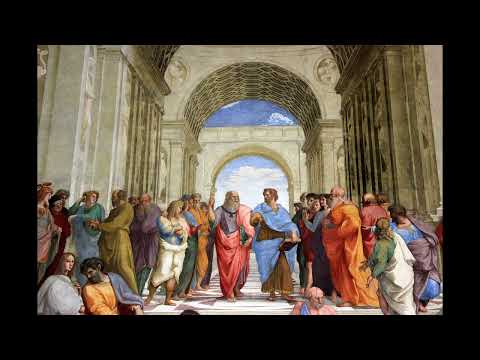
- WatchWestern Culture - Kwame Anthony Appiah (2016) · YouTube · 55 min watch
Kwame Anthony Appiah traces the history of the idea of Western culture and argues that it is mistaken, noting its diverse influences and rejecting exclusive ownership of culture.
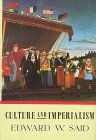
- BookCulture and Imperialism · Bookshop.org
Culture and Imperialism by Edward Said argues that mainstream culture shaped colonialism and imperialism, while imperialism, resistance, and decolonization influenced the English and French novel. He describes how cultural narratives and preparations for empire connect culture with the rule of distant territories.

Book links are Bookshop.org affiliate links. Curiate may earn a commission on purchases, at no extra cost to you — Bookshop.org also gives a share to independent bookshops.
Reading paths, built to arrive somewhere
Curiate turns what you are curious about into a short path — a quick lesson on an article, something to watch, and a book to go deep on. Free to browse.