How the philosophy of aesthetics frames beauty
The philosophy of aesthetics is the branch of philosophy that studies beauty, taste, and related phenomena. These lessons help readers understand how aesthetic judgment, art, and meaning can be approached through different ideas and methods. Together, they consider how people experience and interpret beauty and art.
2 articles, 1 video, 1 book · about 1 hr 12 min of reading and viewing
The reading path
- Readthe philosophy of aesthetics · Wikipedia · 60+ min read
Traditional Indian aesthetics, a philosophy of art, analyzes art through basic life emotions called rasas, such as delight, humor, sadness, and anger. It sees art as a play that imitates reality by conveying experiences of these emotions. Modern art challenged many earlier conceptions, a key motivation for conventionalist definitions. These definitions can explain, for instance, that mundane ready-made objects like a urinal are considered art if conventions say so. Experimental aesthetics, an approach pioneered by Gustav Fechner, investigates preferences for simple physical stimuli such as basic colors and shapes. Its bottom-up methodology starts with human sensation.
- ReadWhich "Aesthetics" Do You Mean? - DesignObserver · Design Observer · 6 min read
W. K. Wimsatt and Monroe Beardsley, a critic and an aesthetician, argue in "The Intentional Fallacy" that once an artwork is completed and begins its life as an independent entity, the artist has no more authority over, or valid critical insight about, its meaning than anyone else.
- WatchWhat is Aesthetics? (Philosophy of Art) · YouTube · 5 min watch
Aesthetics asks questions about beauty, art and the sublime, and about its relation to the philosophy of art.
- BookThe Aesthetics of Music · Bookshop.org
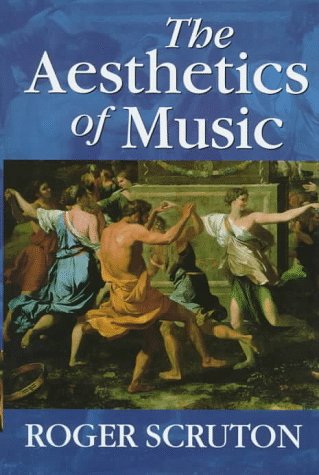
The Aesthetics of Music by Roger Scruton gives a comprehensive account of music from the perspective of modern philosophy, beginning with the metaphysics of sound. Scruton distinguishes sound from tone and analyzes rhythm, melody, harmony, musical organization, and musical meaning.

Book links are Bookshop.org affiliate links. Curiate may earn a commission on purchases, at no extra cost to you — Bookshop.org also gives a share to independent bookshops.
Reading paths, built to arrive somewhere
Curiate turns what you are curious about into a short path — a quick lesson on an article, something to watch, and a book to go deep on. Free to browse.