How globalization and culture create political tensions
Globalization and culture is the accelerating circulation of ideas, meanings, values, and cultural practices across boundaries, reshaping collective identities and social relations. The lessons answer how cultural change connects with political and economic tensions, and help readers understand these forces together. They consider how shared culture, local identity, landscapes, religion, and international relations intersect.
2 articles, 1 video, 1 book · about 56 min of reading and viewing
The reading path
- Readglobalization and culture · Wikipedia · 13 min read
Digital communication through websites such as YouTube, Spotify, or other social media platforms has allowed people from various backgrounds to share their personal culture and be exposed to that of others. The rise of popular culture has contributed to the formation of a unified, homogeneous world culture. Cultural globalization involves human integration and hybridization, Jan Pieterse argued, and cultural mixing can be traced across continents and regions over many centuries. Spanish colonization of the Americas brought religious practices, language and culture. Indonesia's rainforests show how globalization reshapes local landscapes through complex, messy interactions. Capitalist interests reshaped the landscape through chains of entrepreneurs and other businesses that extracted its resources to sell to distant markets.
- ReadParallelization: the Fourth Leg of Cultural Globalization Theory - PMC · pmc.ncbi.nlm.nih.gov · 36 min read
Huntington's account of cultural globalization downplays political and economic dimensions, giving precedence to religious, cultural, and ethnic markers, and therefore analyzes international relations incorrectly. Saudi Arabia and the US have political-economic strategic alliances.
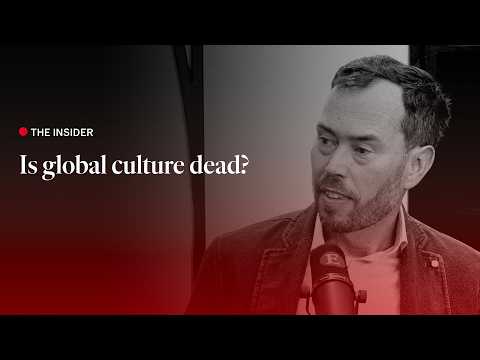
- WatchIs global culture dead? | The Economist · YouTube · 7 min watch
Tom Wainwright, The Economist's media editor, and Adam Roberts, foreign editor, discuss the revival of home-grown music and television and what it means for global culture.
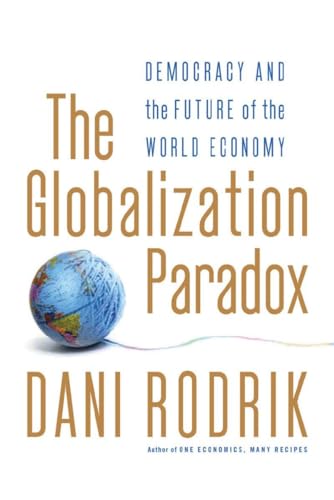
- BookThe Globalization Paradox: Democracy and the Future of the World Economy · Bookshop.org
The Globalization Paradox by Dani Rodrik discusses how democracy and national self-determination cannot be pursued simultaneously with economic globalization, and promotes customizable globalization with international rules to achieve balanced prosperity.

Book links are Bookshop.org affiliate links. Curiate may earn a commission on purchases, at no extra cost to you — Bookshop.org also gives a share to independent bookshops.
Reading paths, built to arrive somewhere
Curiate turns what you are curious about into a short path — a quick lesson on an article, something to watch, and a book to go deep on. Free to browse.