How the ethics of artificial intelligence shapes decisions
The ethics of artificial intelligence covers a broad range of topics within AI that are considered to have particular ethical stakes, including algorithmic biases, fairness, accountability, transparency, privacy, and regulation, particularly where AI systems influence or automate decisions affecting individuals or society.
2 articles, 1 video, 1 book · about 1 hr 19 min of reading and viewing
The reading path
- Readthe ethics of artificial intelligence · Wikipedia · 60+ min read
The ethics of artificial intelligence is at stake in Amazon's hiring system: Amazon terminated its use of AI hiring and recruitment because the algorithm favored male candidates over female ones. The system was trained on data collected over a 10-year period that included mostly male candidates, and its recruitment decisions turned out to be biased against female and minority candidates. Data-center water use raises an ethical concern in artificial intelligence: around two liters of water are needed per kilowatt hour of energy used in a data center, and over 80% of total water consumption comes from electricity generation used to fuel data centers. Elaine Herzberg was struck and killed by a self-driving Uber in Arizona on March 18, 2018. The automated car could detect cars and certain obstacles to navigate the roadway, but could not anticipate a pedestrian in the middle of the road, raising the question of who should be held responsible for her death.
- ReadAI Editorial Policy | Quanta Magazine · Quanta Magazine · 4 min read
Quanta Magazine's AI ethics policy treats GenAI output as unvetted source material, requiring human editorial oversight and approval for its use in creating, presenting or distributing content. The policy recognizes that GenAI tools are prone to bias and error.
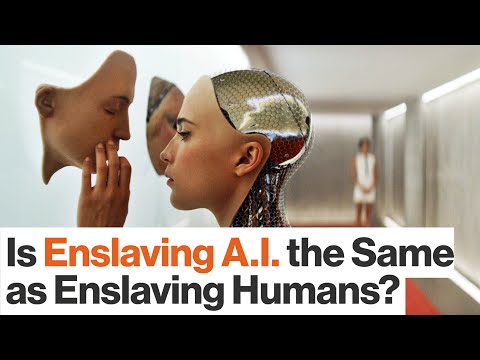
- WatchA.I. Ethics: Should We Grant Them Moral and Legal Personhood? | Glenn Cohen | Big Think · YouTube · 3 min watch
Harvard Law Professor Glenn Cohen discusses whether artificial intelligence should receive moral and legal personhood, considering what distinguishes people from human beings and the history of denying rights.
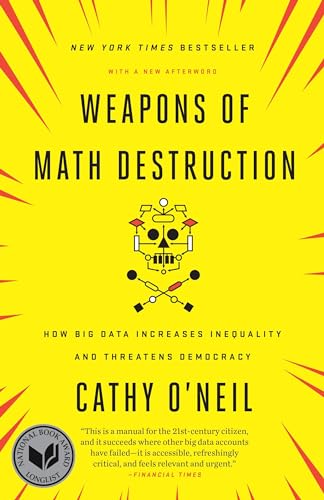
- BookWeapons of Math Destruction · Bookshop.org
Weapons of Math Destruction by Cathy O'Neil explores how some big data algorithms reinforce preexisting inequality, and argues that these tools are opaque, unregulated, difficult to contest, and scalable, amplifying inherent biases across larger populations.
Book links are Bookshop.org affiliate links. Curiate may earn a commission on purchases, at no extra cost to you — Bookshop.org also gives a share to independent bookshops.
Reading paths, built to arrive somewhere
Curiate turns what you are curious about into a short path — a quick lesson on an article, something to watch, and a book to go deep on. Free to browse.