The evolution of 1980s cyberpunk literature
The evolution of cyberpunk literature in the 1980s concerns cyberpunk, a science fiction subgenre set in a dystopian future and characterized by a combination of "lowlife and high tech"; William Gibson's influential debut novel Neuromancer, released in 1984, helped solidify it as a genre.
3 articles, 1 book
The reading path
- Readthe evolution of cyberpunk literature in the 1980s · Wikipedia
Bruce Bethke's short story "cyberpunk," written in 1980 and published in Amazing Stories in 1983, gave the term its first appearance. Cyberpunk's origins are rooted in the New Wave science fiction movement, whose authors explored a society coping with new technology and culture, generally with dystopian outcomes.
- BookBurning Chrome · Bookshop.org
In Neuromancer, Case is hired to link a digital version of his mind into Cyberspace, a worldwide computer matrix of Internet information experienced by plugged-in users as a virtual-reality labyrinth, and steal or manipulate data, yet his longing is for "Transcendence of the flesh." William Gibson shifts science fiction's focus inward from cyber to punk, describing an old world whose inhabitants are consumers, not makers, and the loss of an integrated self.
- ReadSFE: Gibson, William · sf-encyclopedia.com
"Johnny Mnemonic," published in Omni Magazine's May 1981 issue, introduced a dystopic, futuristic sprawl of cityscape and a language unlike anything else seen in science fiction. William Gibson, a science fiction writer, coined "cyberspace" in the story, drawing on Vancouver arcades where teenagers seemed to want to be inside the games; Neuromancer was largely an antithesis of science fiction of the 1960s and 1970s and helped codify cyberpunk.
- Read30 Years of William Gibson's Neuromancer | Kirkus Reviews · Kirkus Reviews
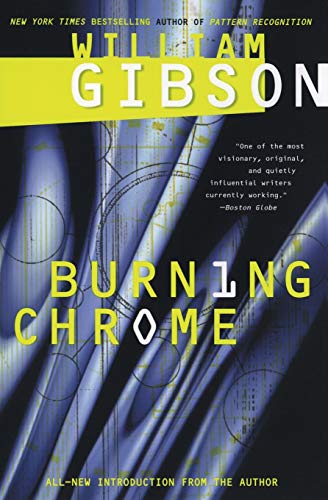
Burning Chrome by William Gibson collects 10 of his best short stories, with a preface from Bruce Sterling.


Book links are Bookshop.org affiliate links. Curiate may earn a commission on purchases, at no extra cost to you — Bookshop.org also gives a share to independent bookshops.
Reading paths, built to arrive somewhere
Curiate turns what you are curious about into a short path — a quick lesson on an article, something to watch, and a book to go deep on. Free to browse.