How digital media reshapes storytelling
Technology lets stories combine images, moving pictures, sound, text and interactive features, sometimes allowing audiences to choose their way through and changing how authors and audiences experience them. What shapes how digital media communicates stories, and how can readers understand its effects on storytelling? The lessons consider how connected media, learning settings and choices about audience shape the ways stories convey ideas.
2 articles, 1 video, 1 book · about 34 min of reading and viewing
The reading path
- Readthe impact of technology on storytelling · Wikipedia · 24 min read
Web 2.0 storytelling is said to produce a network of connections via social networking, blogging, and YouTube that transcends the traditional, singular flow of digital storytelling. It tends to "aggregate large amounts of microcontent and creatively select patterns out of an almost unfathomable volume of information," so its bounds are not necessarily clear. Government school students from Bengaluru district of Karnataka, India used digital storytelling to narrate interactions with local institutions, including banks, primary health centres, libraries, shops, police stations and post offices, and attempted to deepen their understanding of the institutions' work, vision and challenges. Their digital stories also became curricular resources, specially in social sciences, for these schools.
- Read"Digital storytelling uses innovative tools to transform the classroom experience - Binghamton News" · binghamton.edu · 5 min read
Digital storytelling in classroom projects, described by faculty as a new way to communicate research, has helped students showcase their ideas using platforms already ingrained into their daily lives. It has also allowed students to get their work in front of a wider audience through social media.
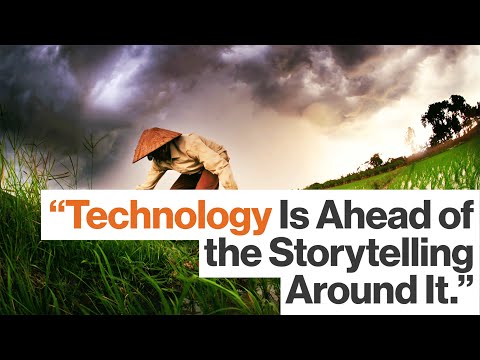
- Watch3D Virtual Reality Is the Best Storytelling Technology We've Ever Had | Big Think · YouTube · 5 min watch
Ralph Rivera, director of BBC Digital, says the first wave of digital mostly digitized existing media such as newspapers, radio and TV. Companies are now exploring things online that cannot be done offline.
- BookThe Shallows: What the Internet Is Doing to Our Brains · Bookshop.org
The Shallows by Nicholas Carr describes how the Internet encourages rapid, distracted sampling of small bits of information from many sources.


Book links are Bookshop.org affiliate links. Curiate may earn a commission on purchases, at no extra cost to you — Bookshop.org also gives a share to independent bookshops.
Reading paths, built to arrive somewhere
Curiate turns what you are curious about into a short path — a quick lesson on an article, something to watch, and a book to go deep on. Free to browse.